Victorian State Election 2026 | Legislative Council (Upper House)
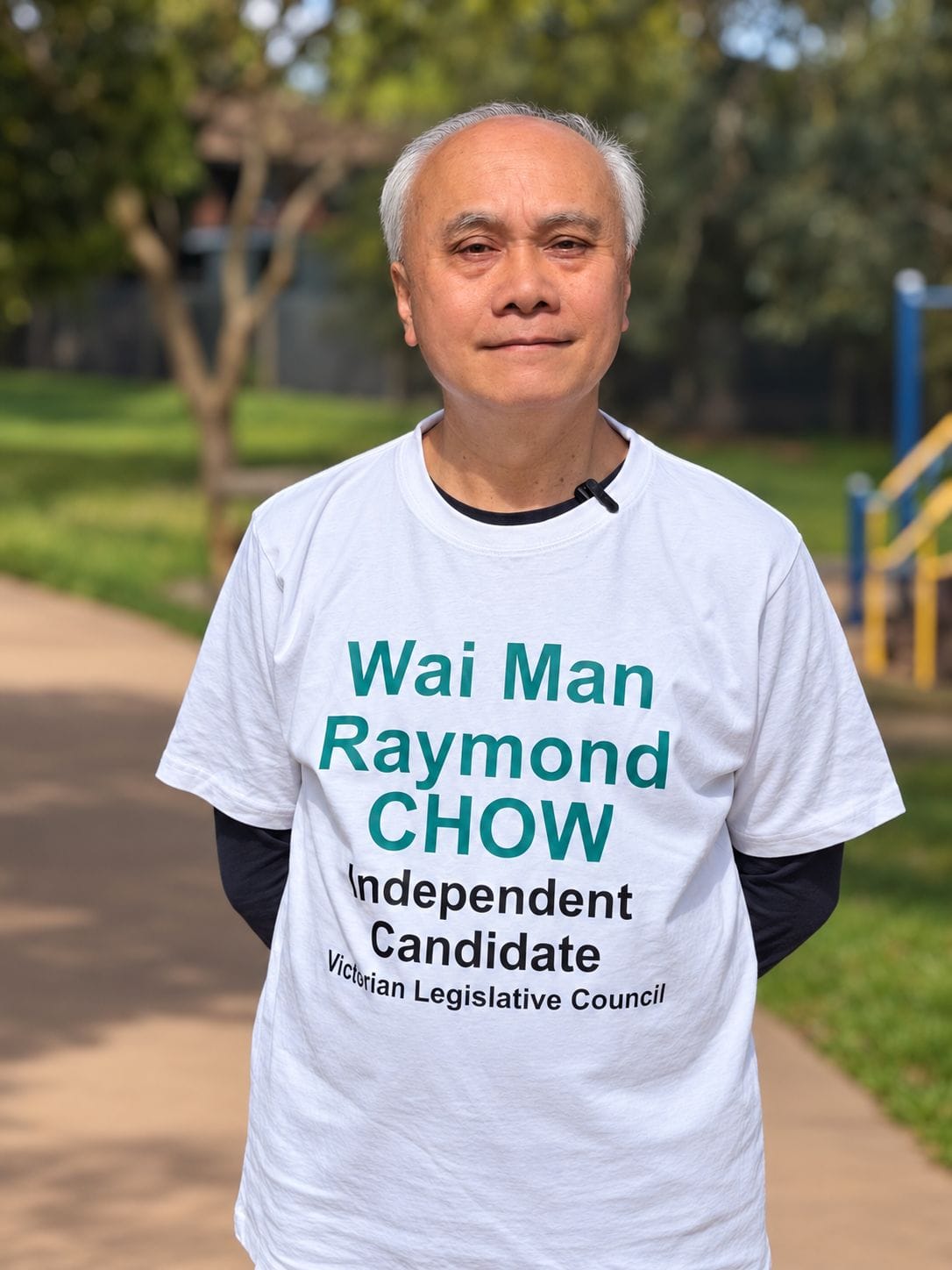
Independent candidate
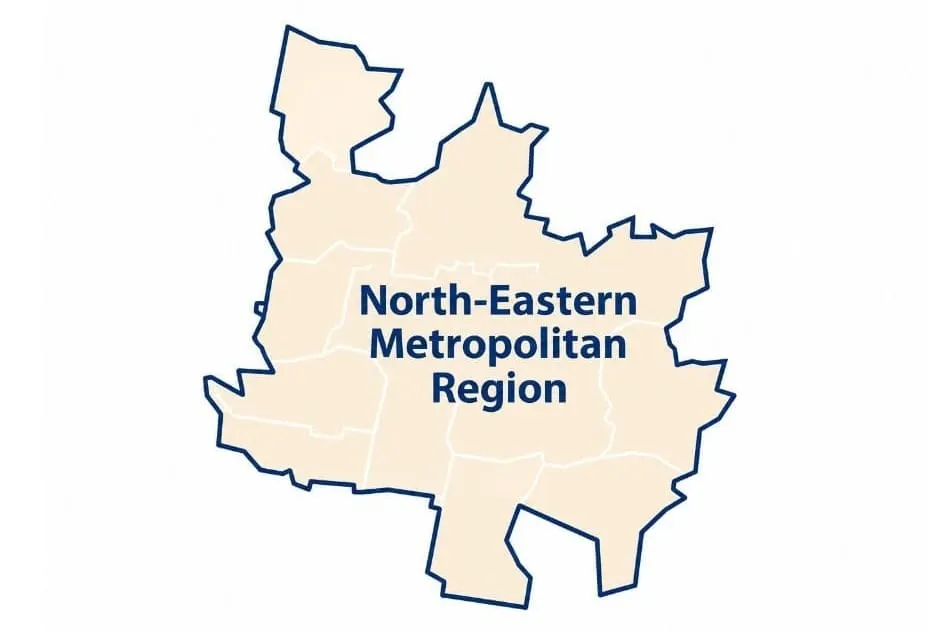
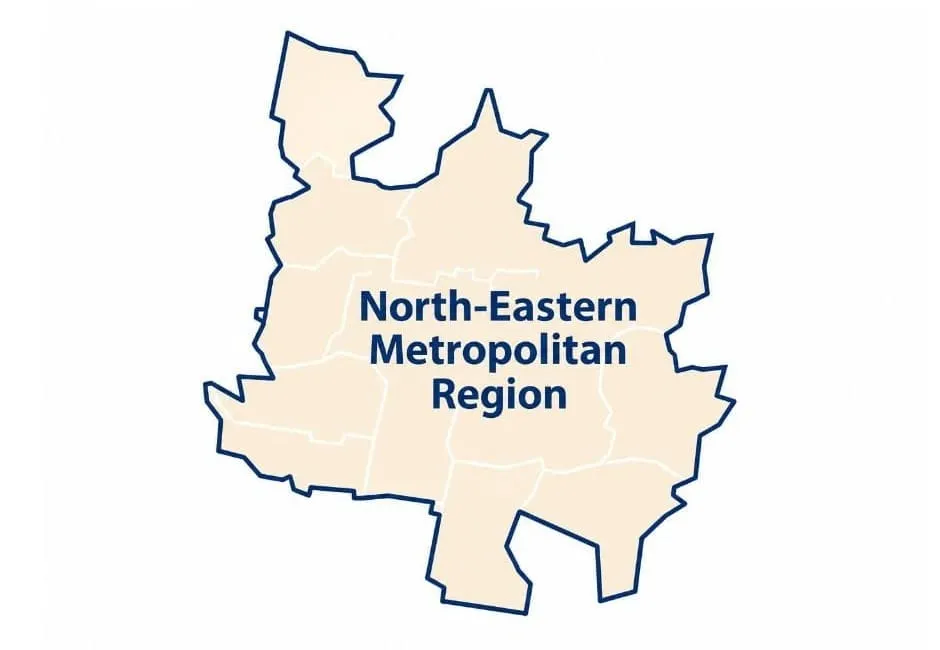
North-Eastern Metropolitan Region
Legislative Council
Photo: Supplied.
1. Tell us about yourself.
I am an educator, community advocate and independent media publisher. Originally from Hong Kong, I moved to Melbourne and have devoted much of my life to education, community development and helping people from different cultural backgrounds participate in Australian society.
My professional background includes mathematics education and curriculum development in Hong Kong and Australia. In 1998, my wife and I established Rejoice Bookstore, followed by REJOICE, a not-for-profit organisation supporting migrant integration and community education. Since 2006, we have provided adult and community education, particularly for Chinese-speaking migrants and seniors.
I am also the founding publisher and editor of Sameway (《同路人》), an independent Chinese community magazine established in 2004. Since 2022, I have served as a director of the National Ethnic and Multicultural Broadcasters' Council (now renamed Multicultural Voices Australia, MVA).
These experiences have taught me that a successful community is built not simply by providing services, but by enabling people to participate and contribute to society.
2. What is your connection to the local community?
I have lived in Donvale for more than six years and have developed strong connections with Melbourne's eastern and north-eastern communities through education, community organisations, multicultural media and voluntary service.
Manningham is particularly important to me because it is one of Victoria's most culturally diverse communities, with residents from long-established Australian families, generations of migrants and more recent arrivals.
I originally planned to retire in Warrandyte and operated Smart@me Café there for two years, getting to know many local residents. Through these connections, I developed a commitment to the community and stood as an independent in the 2023 Warrandyte by-election to represent local concerns. Although the café closed at the end of 2023, my commitment to the people of this area continues.
Through my community work, I understand the aspirations of migrant families, the challenges facing older residents and the importance of ensuring everyone has a voice in local decision-making.
3. Why are you standing for election?
I am standing because I believe Victoria needs more independent voices who put community interests ahead of party politics.
For too long, governments have treated multiculturalism largely as a matter of cultural celebration and migrant numbers, rather than investing sufficiently in the participation, integration and contribution of people from different backgrounds.
I call my vision Intercultural Democracy: a society in which people of different origins do not simply live alongside one another, but actively participate in shaping our common future.
I am also concerned about growing political division, social inequality and the failure of successive governments to address long-standing community needs.
The Legislative Council has an important role in scrutinising legislation, holding governments accountable and recommending improvements. I want to bring practical community experience and independent thinking to that role.
4. What are the three most pressing issues facing the communities you hope to represent?
First, infrastructure and government accountability. Population growth must be matched by adequate transport, roads, schools, healthcare and community facilities. I would scrutinise government spending and planning decisions and demand transparent consultation with affected communities.
Second, cost of living and an ageing population. Families are struggling with housing, healthcare and everyday expenses, while older residents need accessible aged care and community support. I would advocate for better service access, transparency in aged-care planning and support for vulnerable residents.
Third, social cohesion and intercultural participation. Discrimination, social isolation and political division threaten our shared future. Governments must move beyond symbolic multicultural celebrations and invest in education, participation and opportunities for people of all backgrounds to contribute.
5. What specific actions would you take to improve the everyday lives of residents, particularly those in Manningham?
I would advocate for:
- Better public transport connectivity, frequency and reliability, particularly for residents who depend on buses and those travelling to employment, education and essential services.
- Infrastructure investment that keeps pace with population growth, including road safety, congestion management and accessible community facilities.
- Stronger consultation with Manningham residents on major transport, development and planning decisions, ensuring local concerns are heard before decisions are made.
- Improved access to aged care, disability services and health information for residents from culturally and linguistically diverse backgrounds.
- More opportunities for young people, seniors, migrants and established communities to participate in local decision-making and community initiatives.
I would use parliamentary questions, committee scrutiny, public advocacy and engagement with councils and community organisations to pursue these priorities.
6. Why should voters elect you?
I am not entering politics to build a political career or represent one particular ethnic community. I am standing to represent all residents, regardless of their background, age or political beliefs.
My strength is that I have spent decades working with people at the grassroots level. I understand the opportunities and challenges facing our communities, and know how to turn community concerns into practical projects and policy proposals.
If elected, I will work to make government more accountable, improve services and infrastructure, and advance Intercultural Democracy as a shared Victorian vision.
I cannot promise to solve every problem, but I can promise to ask difficult questions, challenge inadequate decisions, listen to residents and work constructively towards solutions.
I believe Victoria needs an Upper House that does more than follow party instructions. It needs independent representatives who listen, scrutinise and speak up for the people.
Editor's note: The responses are provided by the candidates and reflect their own views. Publication does not constitute an endorsement by Manningham Life.