Table of Contents
By Ken Smith
A large portion of the City of Manningham is shown on old government charts as “F.W. Unwin’s Special Survey”, comprising an area of 5,120 acres (8 square miles) and taking in all of Doncaster, Templestowe Lower, Bulleen, and part of Templestowe, west of Church Rd and south of Foote St, between the Yarra River and the Koonung Creek.
This vast area was purchased in one block in March 1841 by a Sydney solicitor, Mr Frederic Wright Unwin, taking advantage of special regulations for the sale of crown land in the Port Phillip District of New South Wales (now Victoria). Mr Unwin paid £1 per acre, a total purchase price of £5120.
The land was then leased for grazing and agricultural purposes. It was known as the “Carleton Estate”.
In the 1850s, following the gold discoveries in Victoria, the estate was subdivided, and large parts of Doncaster and Templestowe Lower were sold to small farmers at prices averaging about £10 per acre.
After clearing their land and selling the wood, some settlers started to plant crops and established small orchards and vineyards. Situated at not too great a distance from the City of Melbourne, they were about to establish a viable livelihood.
However, making a living from the land was hard work, especially for the first arrivals. The prosperous years leading up to the property boom of the late 1880s saw some of the “gardeners” (i.e. fruit growers) selling their orchards to land speculators who intended to subdivide them into housing lots. It was believed then that a railway line would soon be built to Doncaster and that urbanisation would follow as in other areas like Box Hill, Surrey Hills and Heidelberg.
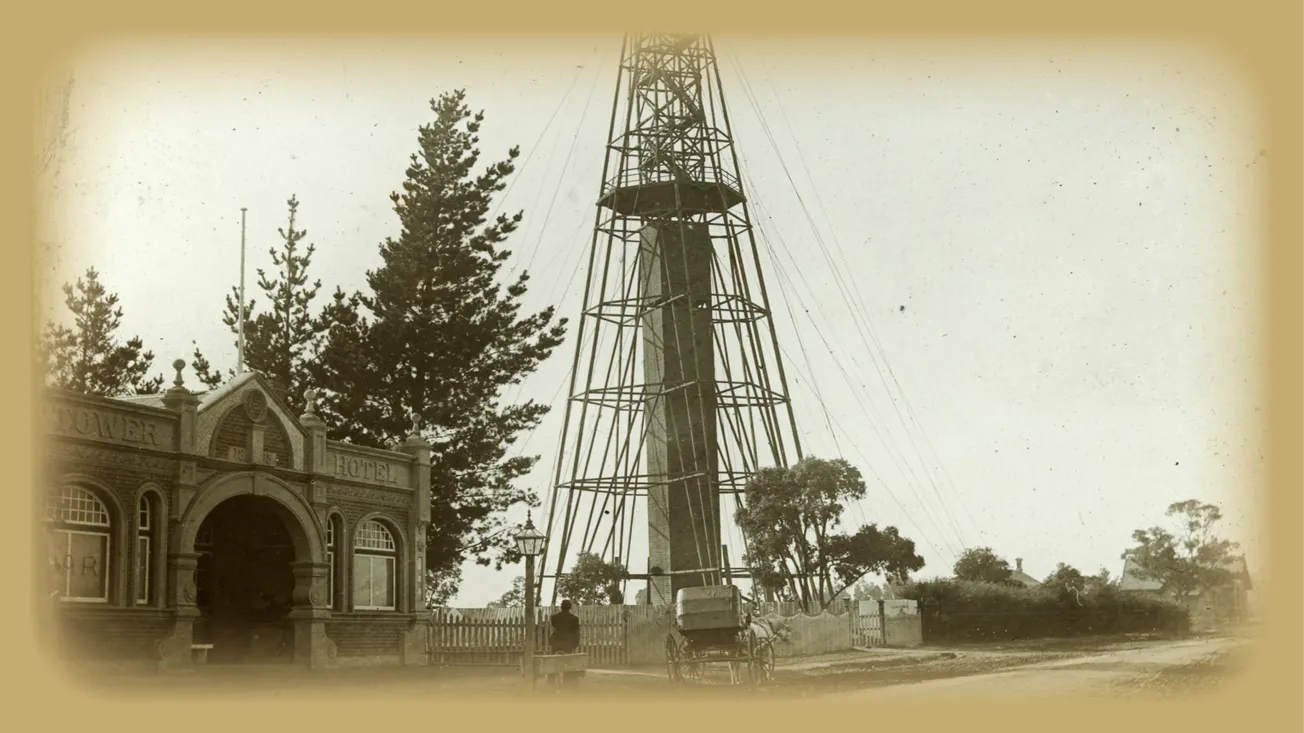
In 1890, Doncaster broke away from the Shire of Bulleen and became a separate entity, and did not reunite with the Shire of Templestowe (the former Shire of Bulleen renamed) until 1915, by which almost all of Doncaster, Templestowe Lower and Templestowe had developed to become Victoria’s largest fruit growing district.
During the 1920s, another property boom resulted in several more orchards being subdivided for housing. However, as was the case with the 1880s boom, a financial depression prevented many houses from being built.
After the Second World War, the arrival of large numbers of refugees from Europe and increased migration from the UK, large-scale home building and factory construction commenced. Returned servicemen married, built homes and started having families — the “baby boom”.
The Shire of Doncaster and Templestowe, being relatively close to the City, was, like areas such as Waverley, East Bentleigh, and East Burwood, poised for suburbanisation. The orchards began to make way for housing estates in around 1950. Macedon Square shopping centre was established in about 1957, with Village Avenue, off High St, Doncaster, following soon after. A Macpherson Supa Valu supermarket was built in Macedon Square in 1960.
With increasing land values and a change in the council rating system, the orchardists increasingly realised they could no longer grow fruit on the land their forefathers had pioneered one hundred years earlier. They sold out, retired or moved to areas further out, such as Pakenham, Bacchus Marsh or the Mornington Peninsula.
In 1965, land suitable for subdivision in Templestowe Lower was worth £3000 per acre, and the resulting 1/4 acre lots were priced around £3000 per block.
By the early 1970s, the transformation of Bulleen, Doncaster and Templestowe Lower was complete, with only residual pockets remaining in Templestowe, Doncaster East and Donvale.
In the 1980s, another change occurred. Because of population pressure and urban sprawl, the government started encouraging higher-density living, with smaller lot sizes for new subdivisions and multiple dwellings on suitable sites, especially in the vicinity of activity zones. Thus, houses on large blocks were purchased by developers as unit sites, a trend which has continued to the present time, with old houses on half-acre blocks now worth $3 million, and 1/4 acre sites in strategic locations, for example, near Westfield Doncaster Shoppingtown, being worth even more. In 1978, a property near Tram Rd Doncaster, only 300 metres from Shoppingtown, sold for $50,000.
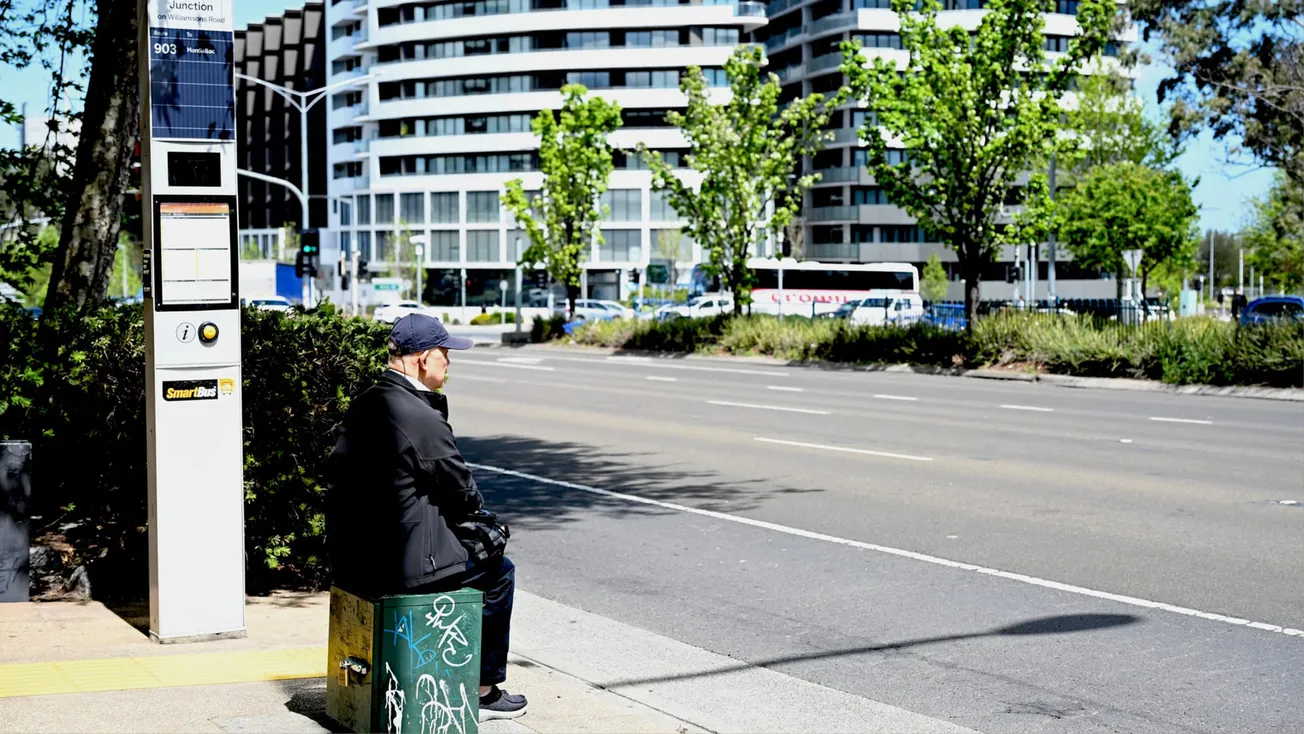
So, during the last 180 years, the forest of stringy bark, yellow box and red gum had given way to the graziers and timber cutters, then the fruit growers with their vast expanse of springtime blossom and bountiful harvests, which in turn, made way for the triple-fronted brick veneers of 1950 to the 1970s, and now the latest manifestation of modern living, the apartment building as typified by the transformation of the entire length of Doncaster Rd.
The largest industries now in the City of Manningham are construction and retail. Every postcode now has its major shopping centre, catering for an ever-increasing population who, benefiting from increasing property values, can afford an affluent lifestyle with all the amenities of a first-world country.
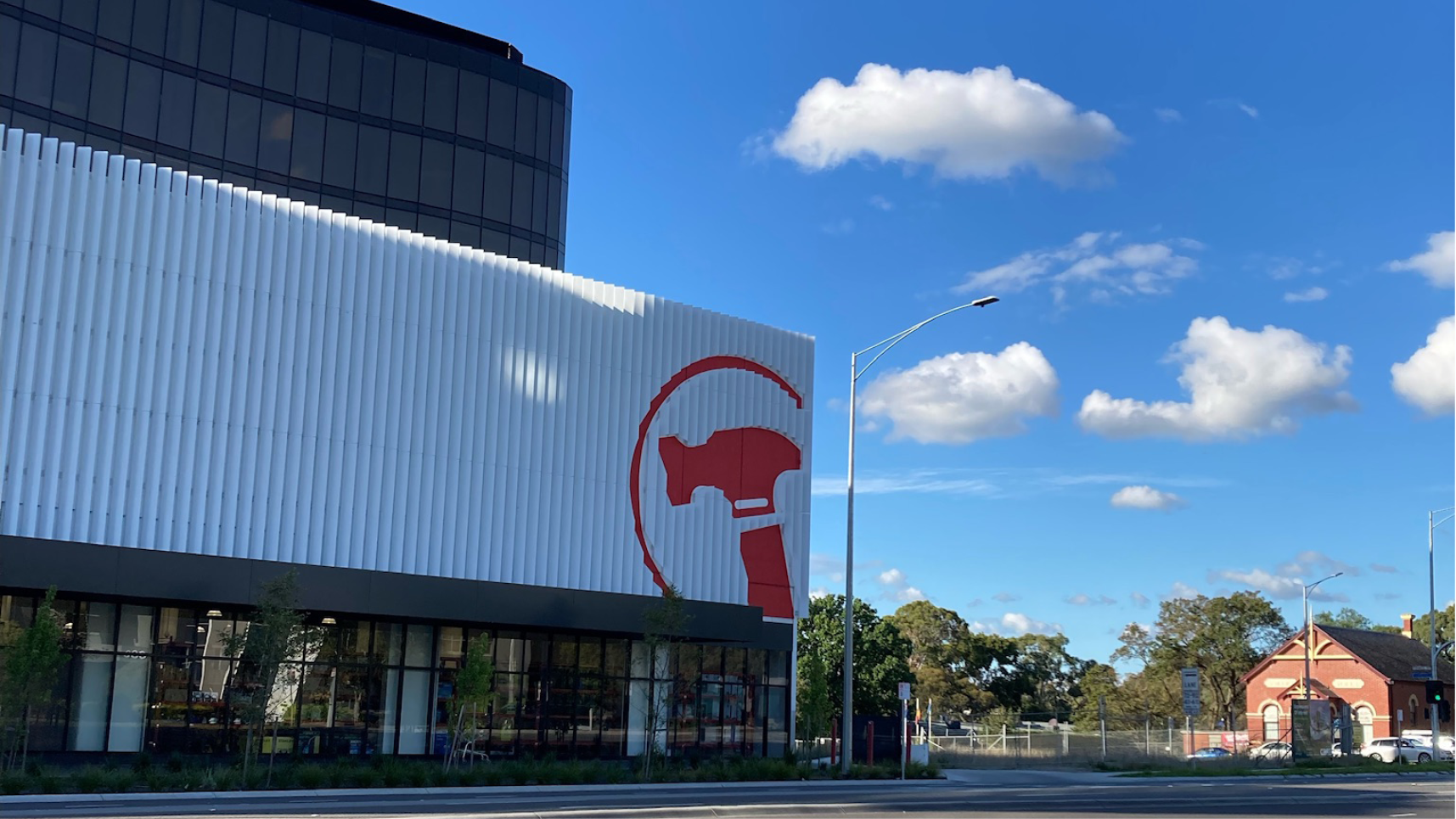
Today, the City of Manningham is one of the most sought-after places in Melbourne in which to live.
Originally published in Manningham Life, Issue 11, May/June 2023