Table of Contents
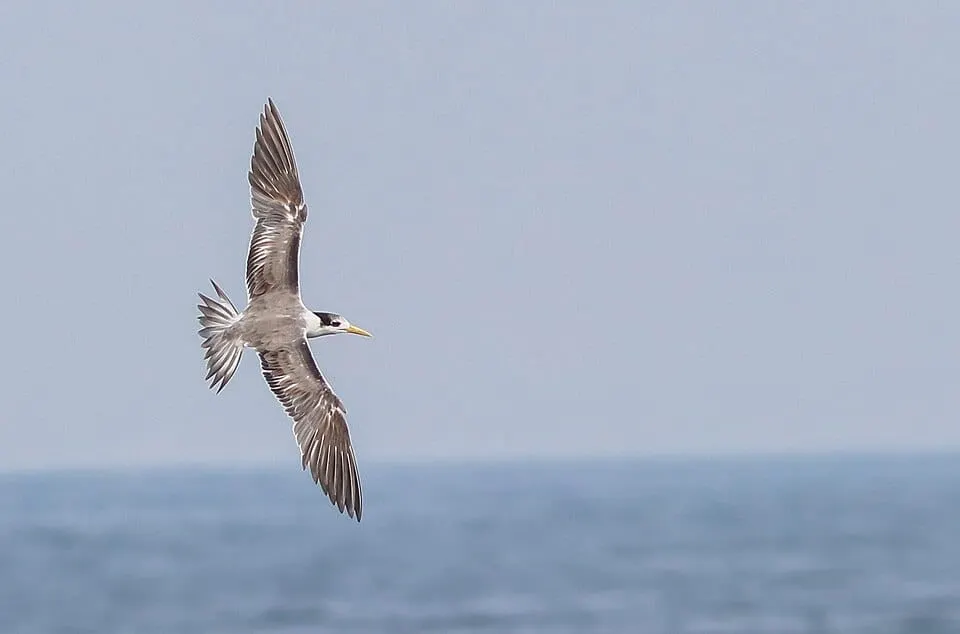
H5N1 bird flu has been detected in Doncaster East, the first known case in Manningham. In a Facebook post on 18 August, Manningham Council announced that a Greater Crested Tern found in Doncaster East had tested positive, with Agriculture Victoria leading the response.
The local case comes less than two months after H5 bird flu was detected on mainland Australia for the first time. Victoria recorded its first case on 30 July, when H5 was found in a Greater Crested Tern at Portland in the state's south-west.Since then, cases have been detected across a growing number of locations in the state, including Doncaster East.
Until recently, Australia had managed to avoid the H5N1 strain that has been spreading around the world since 2020, killing large numbers of wild birds and poultry and infecting some mammals. Our geographic isolation and bird migration patterns helped keep it out, although scientists had warned that it would probably reach Australia eventually. That happened in June, when H5 was confirmed in migratory seabirds in Western Australia and South Australia. (Read more about H5 bird flu in our earlier article.)
At first, H5 was only found in visiting migratory seabirds, including brown skuas and giant petrels. Then, on 10 July, a Greater Crested Tern found near Robe in South Australia tested positive. It was the first H5 detection in a non-migratory Australian seabird.
Since then, H5 has spread quickly and has now been detected in all six Australian states – Western Australia, South Australia, New South Wales, Queensland, Victoria and Tasmania.
On 15 August, H5 was confirmed in a Little Penguin found dead on Phillip Island, the first confirmed case in the species in Australia. The Victorian Government is now rolling out a program to vaccinate up to 5,000 Little Penguins at Phillip Island and St Kilda to try to protect the colonies.
And on 19 August, 28 dead Little Penguins and three dead Greater Crested Terns were found on King Island in Tasmania. They are now being tested for H5.
In a significant development today, South Australian authorities announced that more than 1,000 Greater Crested Terns have died in three mass mortality events on remote islands off the state's coast. H5 bird flu is suspected to be behind the deaths.
These latest developments have raised further concerns about what H5 could mean for Australia's native wildlife.
What should Manningham residents do?
The risk to human health remains low, and so far, there have been no H5 detections in poultry in Australia.
Agriculture Victoria advises people not to touch sick or dead wild birds and to keep pets away from them. It also asks people to report sick or dead wild birds, particularly if several birds are affected. Reports can be made to the Emergency Animal Disease Hotline on 1800 675 888.
It was only in June this year that H5 bird flu was first detected on mainland Australia. Now, it has reached Manningham.