Table of Contents
We don’t often stop to look up. But when we slow down and take in what surrounds us, it’s hard not to be in awe of the universe we belong to.
It was a little serendipitous, really — that a trip to Murray Bridge, South Australia, a town I didn’t know much about, would lead to the chance to experience the night sky at the River Murray International Dark Sky Reserve. It is the only place in Australia designated as a dark sky reserve. That designation came in 2019 from DarkSky International, an organisation focused on protecting the night-time environment and preserving our dark skies.
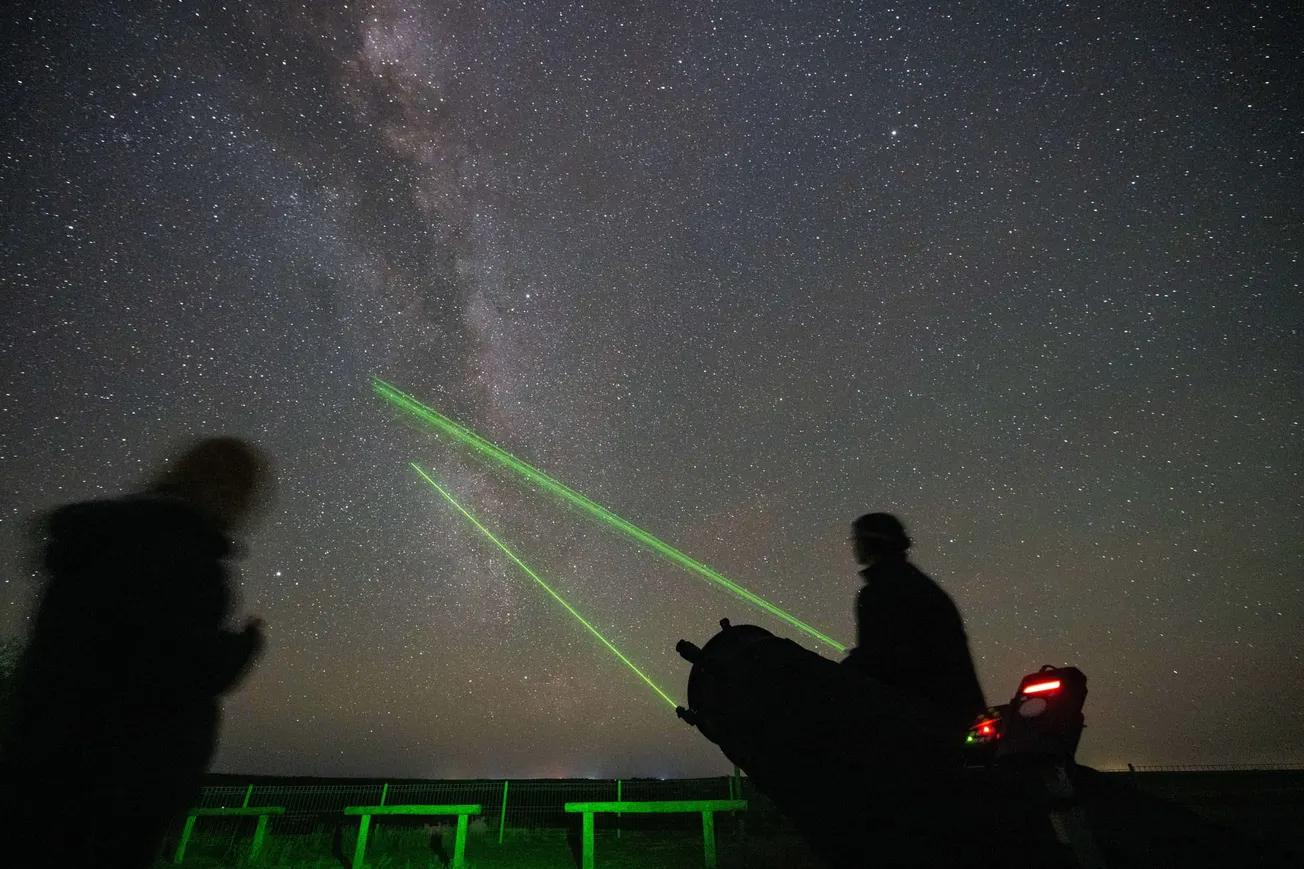
Just 90 minutes from Adelaide, within Swan Reach Conservation Park, it’s one of the most accessible places in the world to experience the dark sky. The reserve stretches across more than 3,200 square kilometres, with the conservation park forming its protected core; surrounding communities are small and lighting is kept low. Part of what makes this possible is the landscape itself. The Mount Lofty Ranges act as a natural barrier, shielding the reserve from the urban glow of Adelaide, while planning controls in the Adelaide Hills help limit light spill. Together, they help preserve the darkness — allowing for skies that reach close to the upper limit of what can be measured.
A group of us, members of the Local & Independent News Association, were in Murray Bridge for our annual summit — a couple of days of ideas, conversations and the kind of energy that always leaves you inspired and uplifted. Many of us run one-person publications to serve our communities, so it’s also a great opportunity to catch up with fellow publishers who understand the challenges, the work, and the fulfilment it brings.
Initially, six of us had signed up for the dark sky experience, but Kelly, the lovely tour operator, let us know that Thursday night would be too cloudy, and it was cancelled. It was a little disappointing — that was the only night all of us could make it. By Friday, after the summit ended, most members left Murray Bridge. The clouds lingered through the day but were expected to clear by early evening, so we decided to go. In the end, it was just Krista from Riverine Grazier and me.
Krista drove, and the route took us through Mannum — what looked, even in passing, like a historic riverside town. The buildings had that familiar feel of regional Australia, reminiscent of towns shaped during the gold rush era. Later, I would learn that Mannum played a role in the early days of paddle steamers on the Murray. In the fading light, though, it felt as if the town sat right on the edge of the river.
I found myself thinking about the Murray — how I’d first learned about it in school in Malaysia, where we remembered the produce of the Murray–Darling Basin with the acronym PAPA: peaches, apples, pears and apricots. In more recent years, the Murray River has become a reminder of the Millennium Drought and its impact on the River Murray region. I think of the upstream-downstream debate and the complex policies that followed—water buybacks and public funds spent on 'overland flow,' water that may or may not actually flow. The river has always been a vital source of livelihood, even if it hasn’t always been looked after as well as it should be.
But I digress.
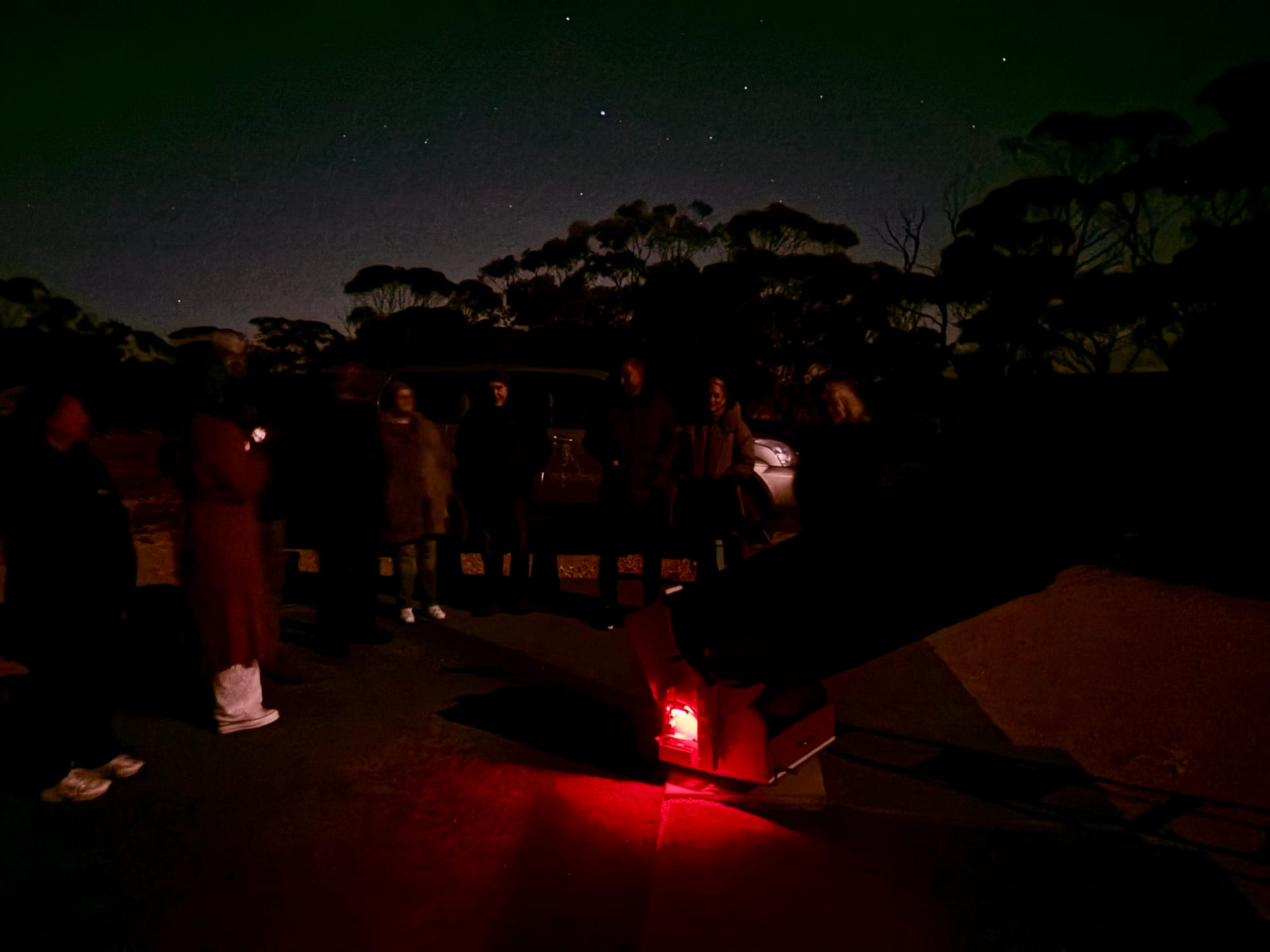
About an hour after we set out, we found the turn-off from Mannum Road — easy to miss, which we did the first time. A dirt track led us into the reserve. By then, it was dark, but not quite pitch black. We parked where we were told — opposite an outdoor toilet — and were met by Lyn. About thirty metres away, we could make out silhouettes under dim red lights, people gathered in conversation. Overhead, a half moon was rising.
Still adjusting to the dark, I introduced myself to Lyn. I’m not sure why I lowered my voice — it felt like the kind of setting where you did. It was an unusual way to meet people. In the dark, where not all your senses are available, you notice different things. We soon learned Lyn was married to Joe, the astronomer who would guide us through the night. Over the next two hours, it became clear he carried an encyclopaedic knowledge of the sky.
There were already a few others gathered around the telescope, with two more expected. After a brief introduction, Joe asked us to put away our phones. As he began, a car approached, its headlights cutting across the darkness. It drove past us, further into the reserve, before turning around and heading back. Our eyes had to adjust to the dark all over again. They turned out to be the final two guests — their GPS had taken them to the wrong spot. It made me wonder: in ancient times, when people navigated by the stars, did they ever get lost?
Onto the program. Our overview included seven objects of interest: Jupiter, the Trapezium near Orion’s Belt, the Jewel Box, the Tarantula, Alpha Centauri, Omega Centauri, and finally the moon.
As we scanned the skies, we couldn’t help but marvel at the splendour of the Milky Way. At this time of year, it sat directly overhead — ever-present. A vastness of stars, twinkling and glittering, veiled by its signature hazy dust clouds. We moved from one object to another, guided by Joe and the telescope, the powerful 16″ F4.5 GoTo Dobsonian Telescope, taking turns to look through the lens.
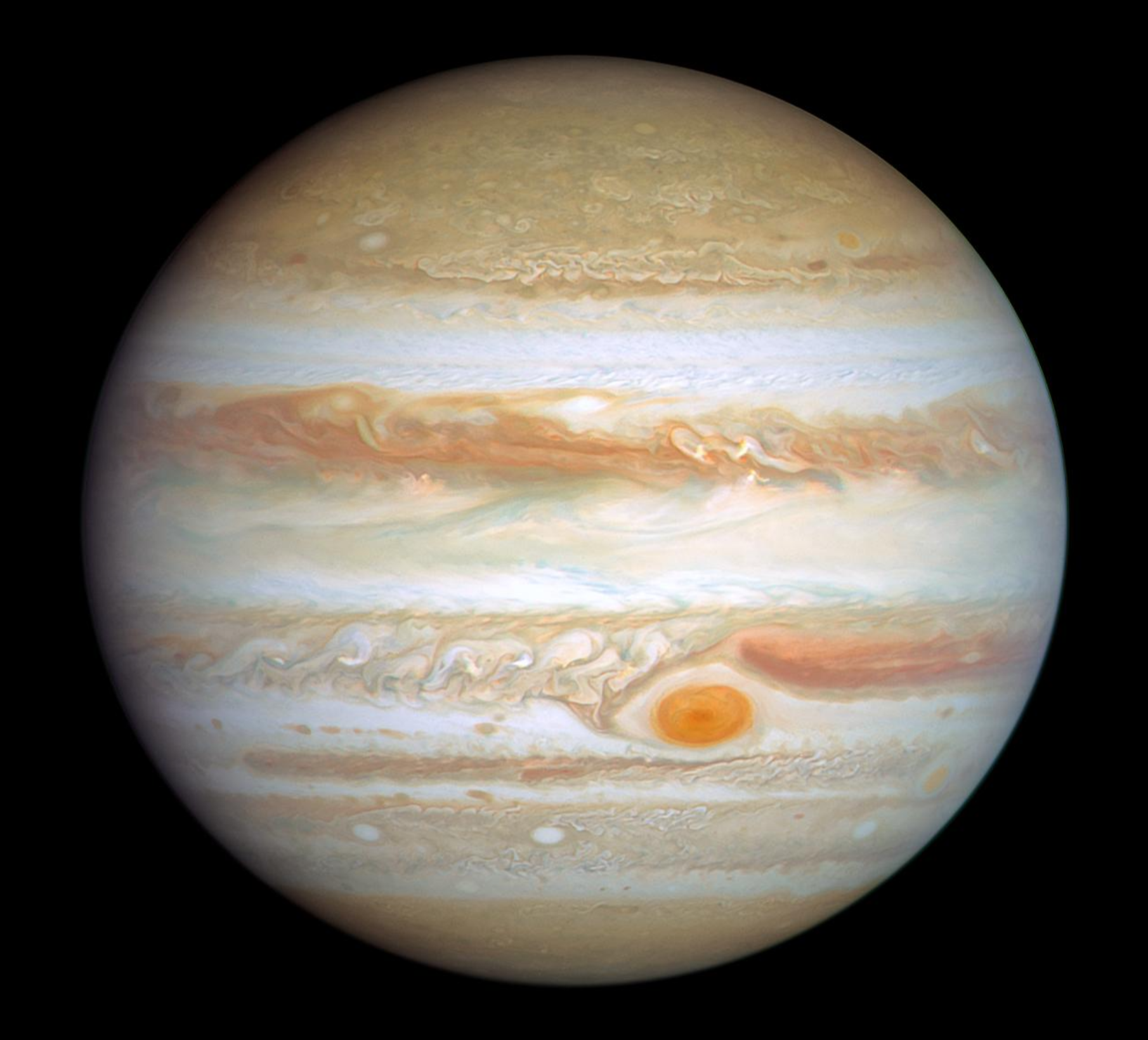
Through the telescope, we could make out bands running across Jupiter — one of the brightest objects in the night sky. We were told the lighter and darker stripes are shaped by the movement and pressure of the gases that make up its atmosphere. Beside it, four tiny lights sat in a neat line. Those four points are its moons, first discovered by Galileo in 1610 using a telescope he built himself.
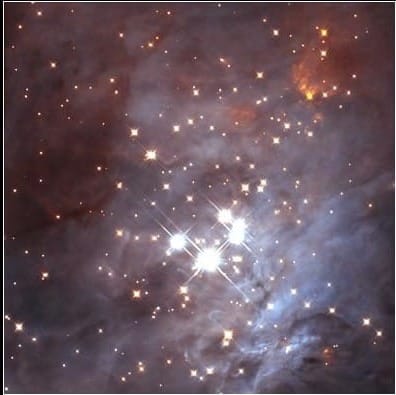
Nearby, the Trapezium cluster sat close to Orion’s Belt — four stars grouped tightly together. They too were identified by Galileo, simply labelled A, B, C and D.
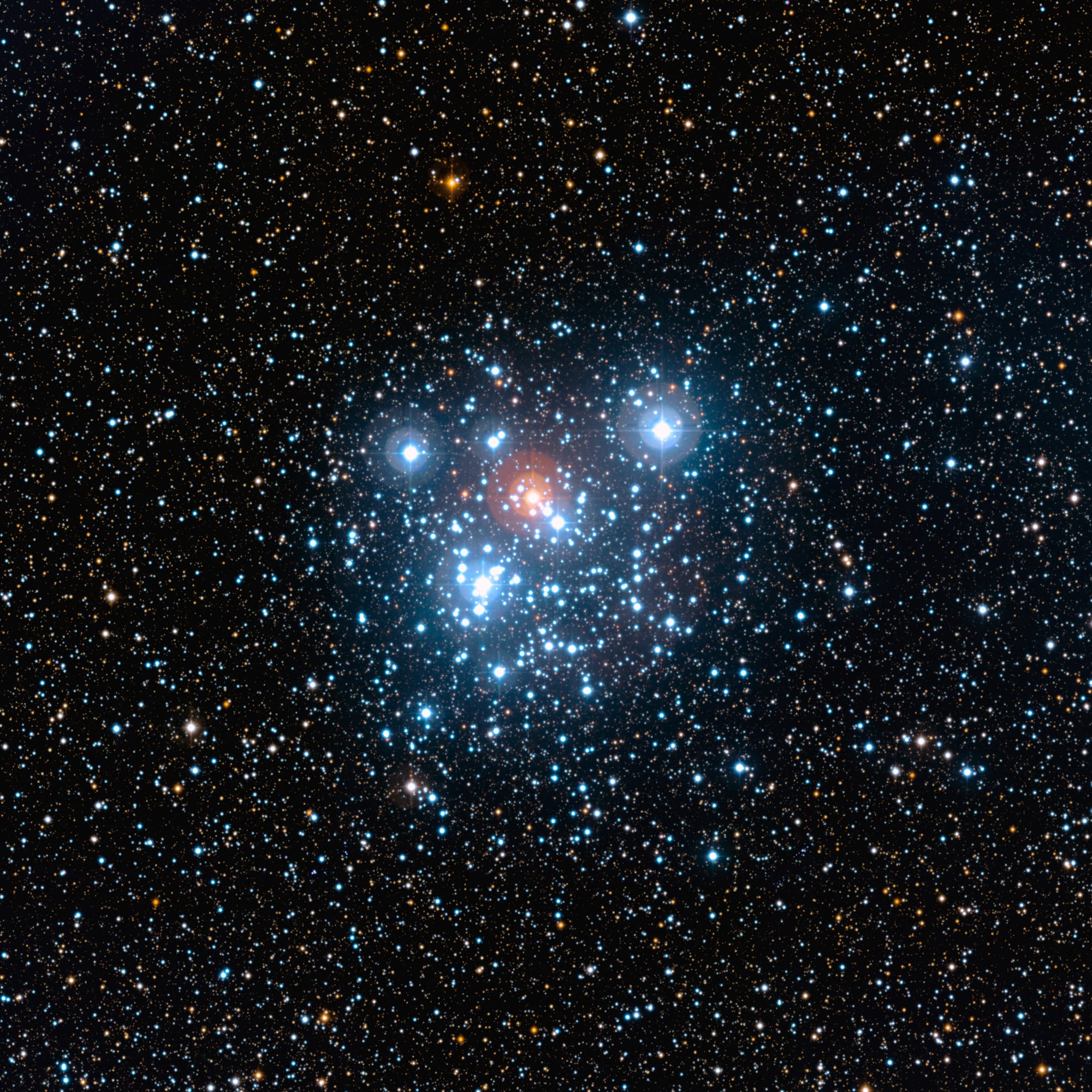
Then the Jewel Box. It was exactly what the name suggested — a tight cluster of stars, bright and distinct, like scattered diamonds and precious stones. It was simply beautiful. Originally known as the Kappa Crucis cluster, it was later renamed the Jewel Box by the English astronomer John Herschel, who described it as “a superb piece of fancy jewellery”.
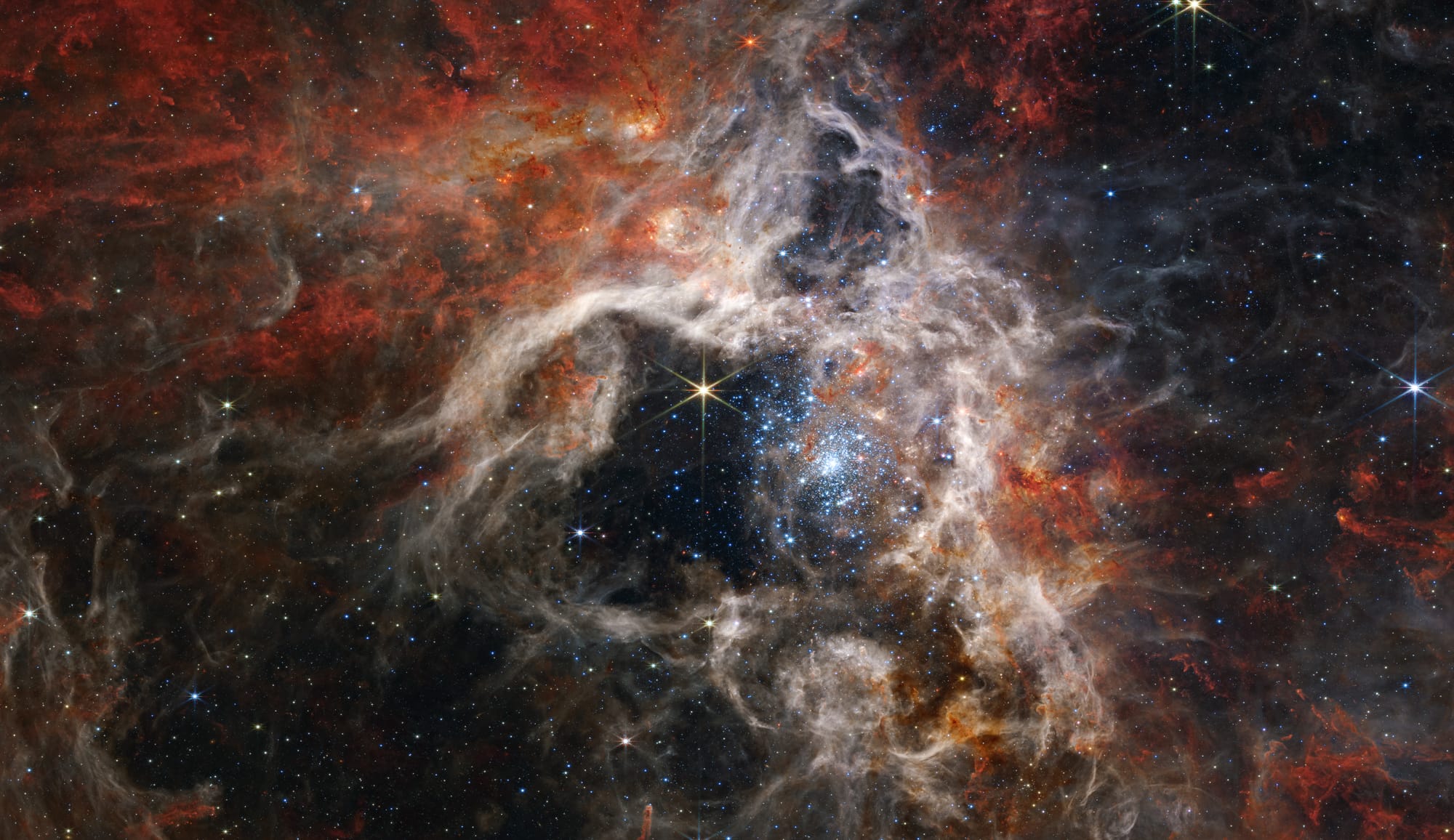
Then the Tarantula Nebula. It was harder to make out at first, but once it was pointed out, the shape began to emerge — something like a body with outstretched limbs. The clouds around the stars formed what looked like two eyes and a body. It looked a little spooky.
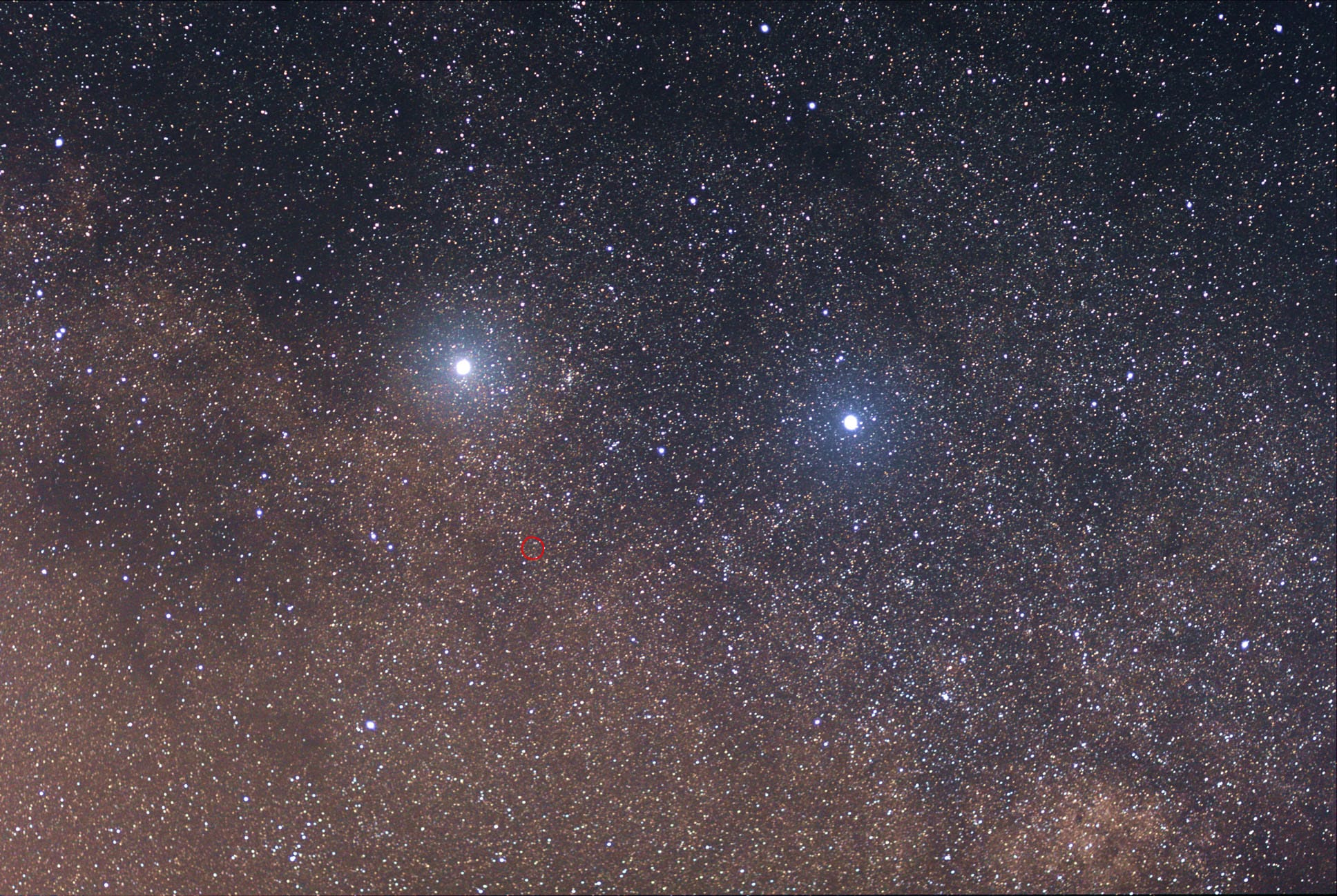
Alpha Centauri appeared as two bright stars sitting close together, almost like headlights in the distance — Alpha Centauri A and B. We were told it is the closest star system to us, just over four light-years away. Even then, “close” felt like a relative term — the light we were seeing had left those stars more than four years ago. It’s also always visible from the Southern Hemisphere, something easy to take for granted. At around five billion years old — slightly older than our sun — it has been there for a very long time.
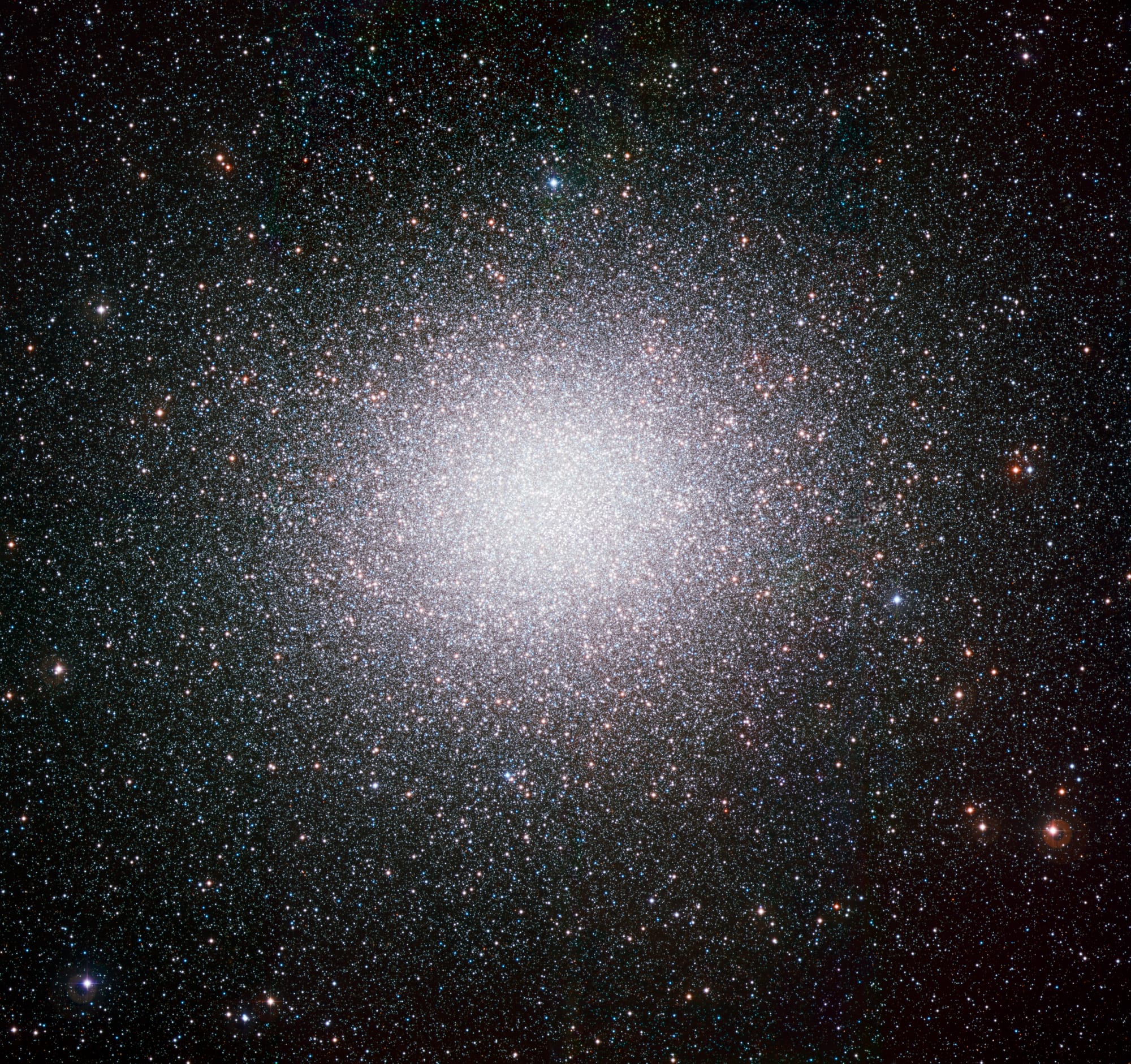
Omega Centauri looked like a soft blur at first. As I continued to look, it started to come into focus — countless tiny dots of stars. Joe mentioned it is the largest known globular cluster in the Milky Way, containing millions of stars — around ten million, all held together by gravity, and sitting some 17,000 light-years away.
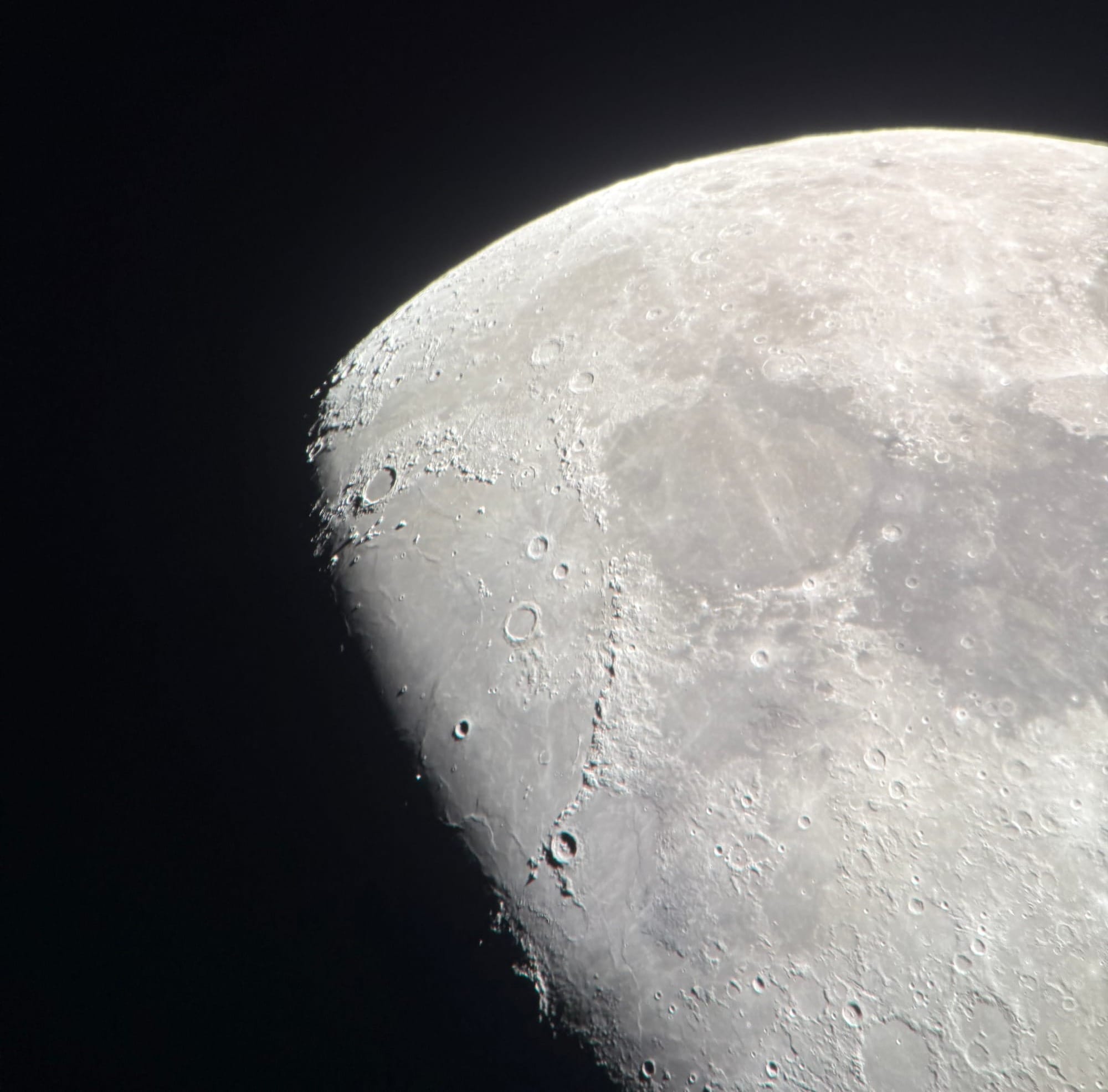
Last but not least, we turned to the moon. It was so bright it was almost overwhelming. Through the telescope, its surface was sharp and textured — craters, ridges, shadows. It’s not the distant, familiar disc we’re used to, but something quite detailed and real.
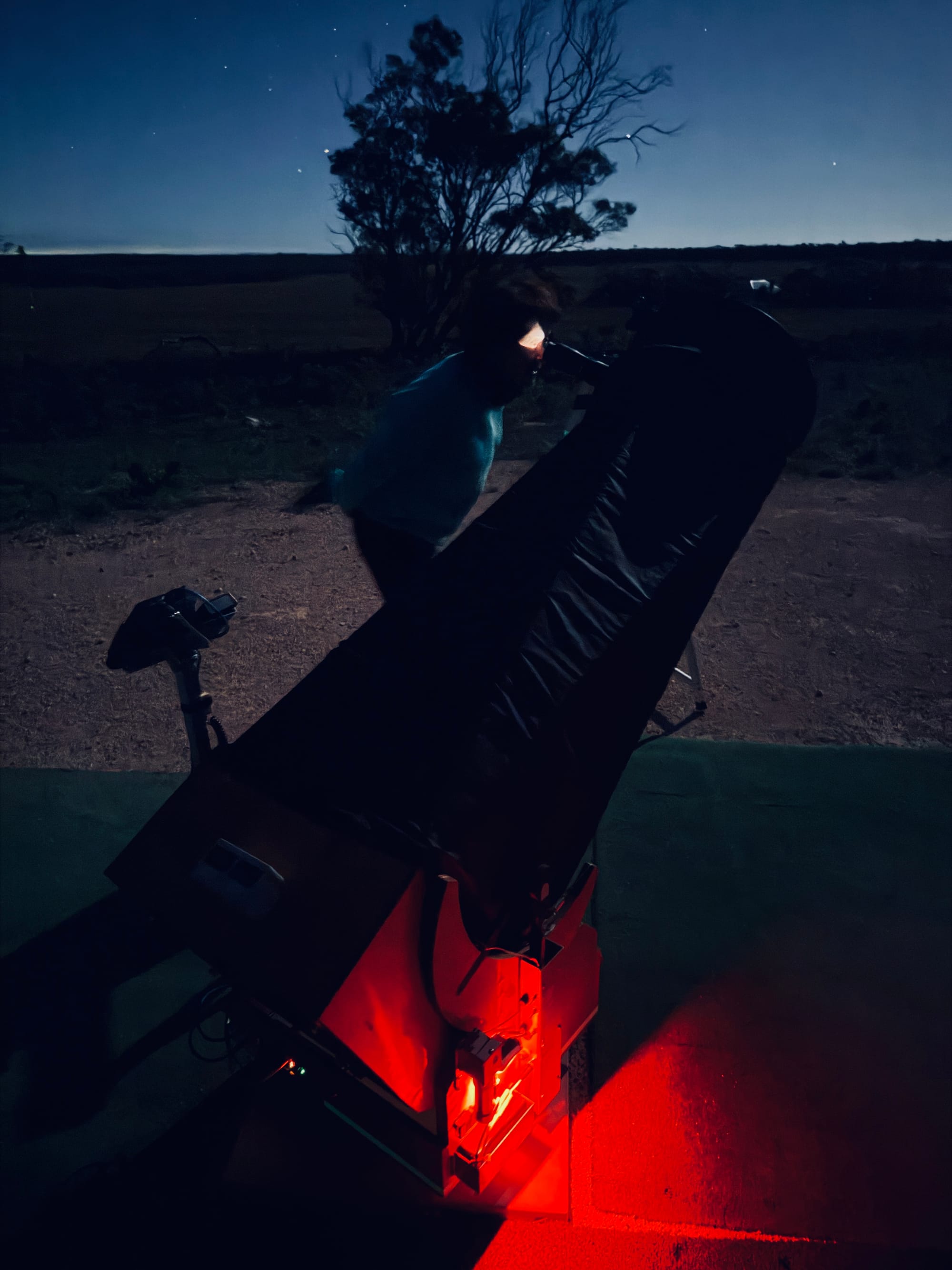
At one point, Lyn brought out hot chocolate. It was, quite honestly, a lifesaver. The temperature had dropped to around ten degrees, maybe lower, and I was completely unprepared. I had worn all four long-sleeved top I’d brought. I had packed more for the 30-degree days we’d just had in Murray Bridge than for the cold. And out there in the vast reserve, under a clear, cloudless sky, it got cold quickly. She also offered us chocolates — Milky Way and Mars Bars. It was rather delightful, and fitting for the night. Joe, in contrast, brought a depth of knowledge — offering generous explanations that added to what we were seeing.
Standing there, looking up, it was hard not to feel a sense of awe — and perspective. The sky above us felt vast and ordered, something that has been in place for millions, even billions of years.
Given all that’s happening in the world, it felt calming to look up and be reminded that there is something bigger, older, and more enduring than us. That we are only a small part of it — even if we often lose sight of that.
The Dark Sky Reserve is not something widely known, and yet this kind of experience is right here in Australia — relatively close and surprisingly accessible. A great experience, and one I’d highly recommend, if you ever get the chance.
On the drive back, Krista and I were chatting about the sky we had just seen. Earlier, Joe had pointed out Sirius — the brightest star in our night sky — and the Alan Parsons Project instrumental piece, Sirius, came straight to mind. I played it for her, and Krista laughed, wondering if it should have been part of the experience. Maybe something from Dark Side of the Moon as well.
Just a few days later, the world watched as Artemis II launched into space, carrying humans around the moon again — this time including the far side. Having seen the moon up close, albeit through a telescope, I felt a deep appreciation for the courage to go further into space, and the desire to understand more.