Table of Contents
By Lena Rose Bonollo
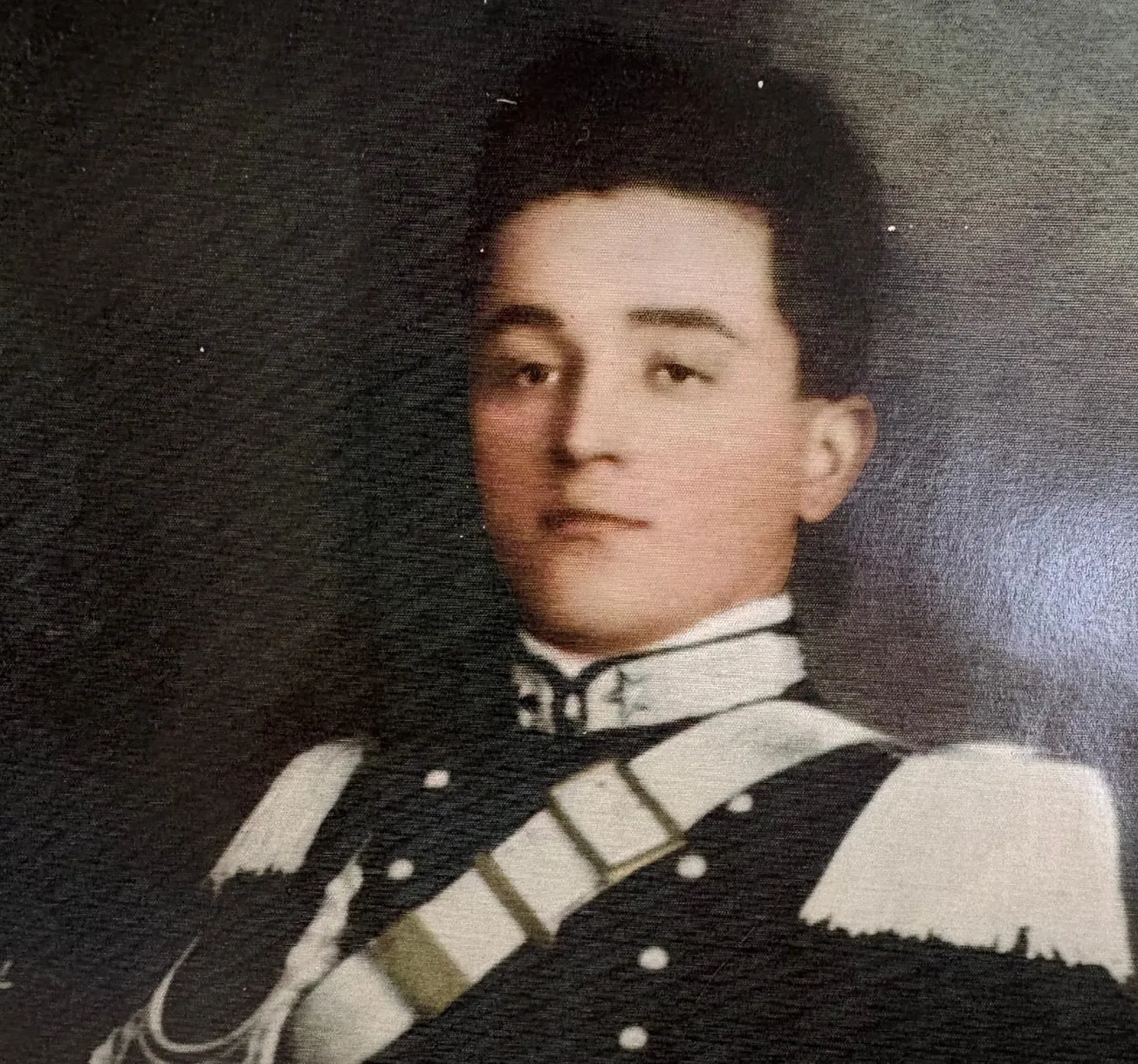
When Father Tito Cecilia was gathering stories of Italian migrants for his book, We Didn’t Arrive Yesterday (Non Siamo Arrivati Ieri), my father, Fiorino Batista Cavicchiolo, shared the story of his life in Australia. Born in 1903 in Galliera Veneta, in the Veneto region of northern Italy, he migrated to Australia by ship in 1927 at the age of 25. I wrote down his recollections for Father Tito. What follows is the story he shared, in his own words.
When I arrived in Melbourne in 1927, I couldn't find work. On payment of five shillings, a gentleman who claimed to be from an employment agency sent me and three friends to Junee, New South Wales, telling us that the owner of a large farm in the area needed farm hands.
We bought train tickets and set out for Junee. When we arrived, we were told that the farmer had not requested workers and had no work for us. We were stranded without work, far from Melbourne, with little money in our pockets and very hungry.
We pooled our remaining shillings and, with the five shillings kindly given to us by the local Catholic priest, managed to buy one train ticket back to Melbourne so one of us could seek help.
The rest of us remained there, sleeping under the stars while we waited. Three months later, help finally came. I returned to Melbourne and found work at Piangil, near Swan Hill, clearing land for 30 shillings a week.
I worked there for two months until the work finished, then returned to Melbourne. After another two months of unemployment, I was sent to work in the salt flats at Kerang, earning four shillings a ton. Although it was terrible work, I managed to earn as much as two pounds a day.
When that job ended, I was unemployed for another month. I was then sent to work on the roads at San Remo, on Phillip Island, for six months. Once again, I found myself out of work.
Finally, my brother-in-law, who had travelled to Australia with me and had found work as a farmhand near Benalla, arranged a job for me with W. J. Ginivan, a prominent farmer in the area.
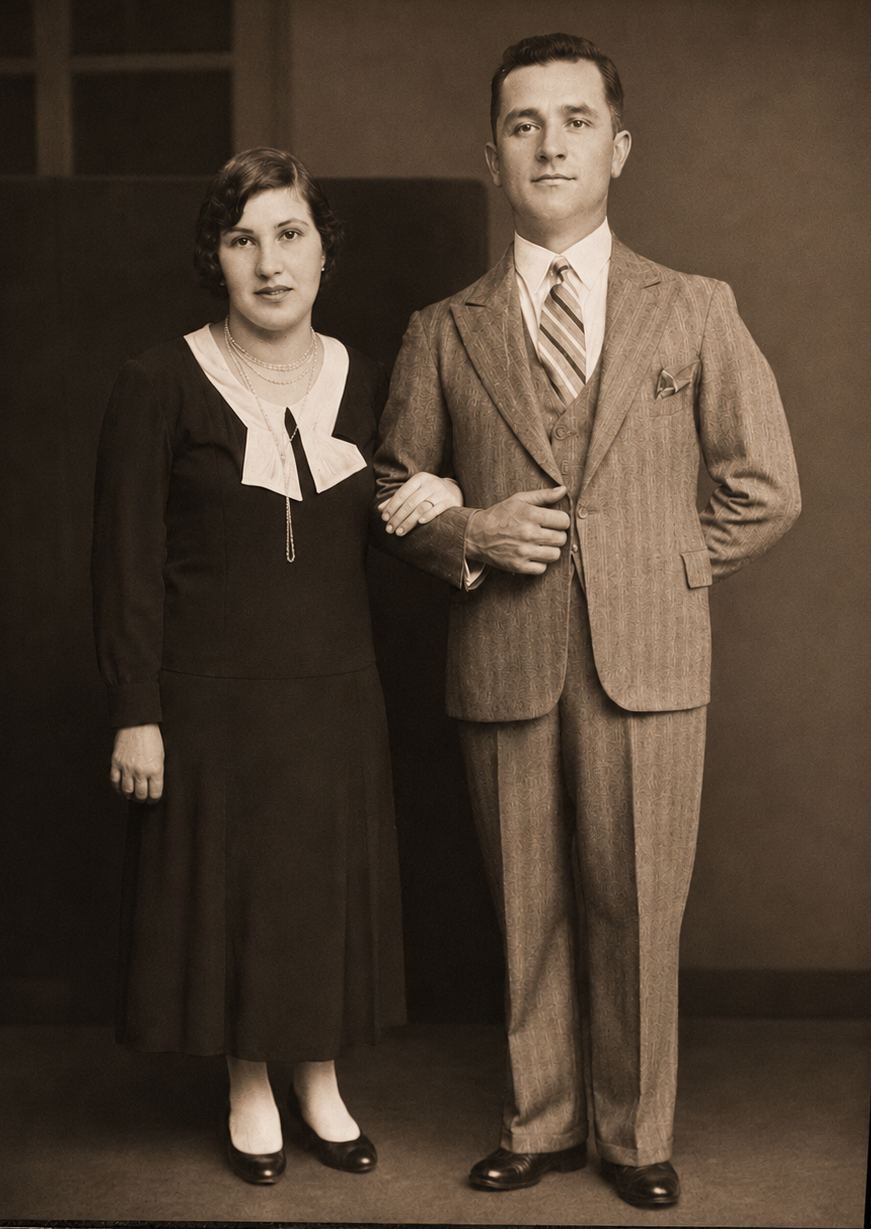
I worked for the Mr Ginivan for six years. During that time, I arranged for my fiancée, Maria, to join me in Australia. We were married by proxy before she arrived.
Mr Ginivan was a good man and treated me well, but I did not feel welcomed by the rest of the household. They ordered me around as though I were a slave. Not only did they never invite me into their home for a cup of tea or coffee during those six years, they even forbade me from entering the garden surrounding the house. On Sundays, I rode my bicycle to church while they travelled by car.
In 1933, with the help of my brother-in-law, I bought a partly cleared block of land in the hills of Boho South. It was far from civilisation, and we remained there for 16 years.
After the Second World War ended, my wife and I sold everything we owned and moved to Tatura with our five children — Giuseppina, Johnny, Gina, Lena and Emma — where we bought a small dairy farm.
The property consisted of 152 acres of land and a four-bedroom weatherboard home with electricity, a slow-combustion stove, a flushing toilet and tractors to work the land.
It didn't take long to plant an acre of orchard, establish grapevines to make our own wine, and raise a large pig each year to make sausages and salami during winter. We sent all our children to the Catholic college in Tatura.
In 1961, my wife, Maria, and I made our first trip back to Italy. One of the highlights of the trip was that Maria was able to reunite with her mother after many years apart.
We were delighted to see our children marry and to welcome grandchildren into our family. It was a joy to watch the next generation begin their own lives.
Mum passed away in 1984 at the age of 73. Dad died eight years later in 1992 at the age of 89. Today, the family they began has grown to 17 grandchildren, 33 great-grandchildren and 18 great-great-grandchildren — a legacy they would have been immensely proud of.