By Jiayuan Liang, Yue Luo and Yiping Chang
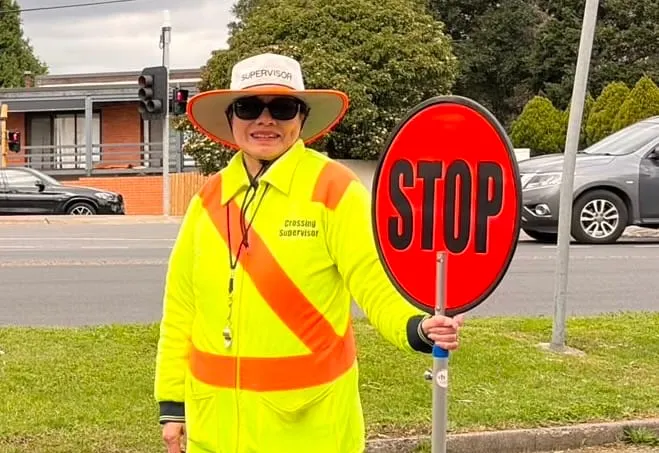
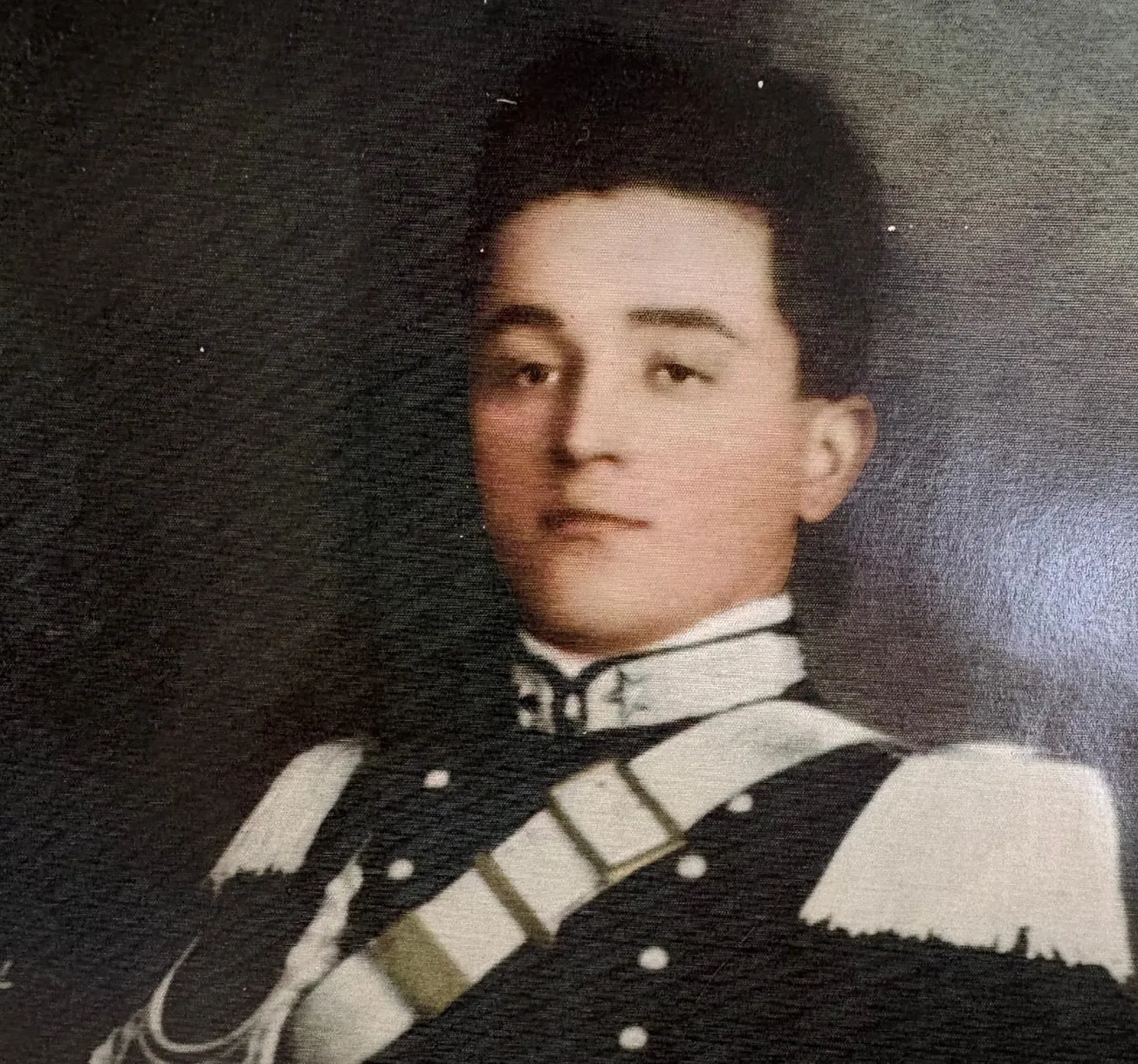
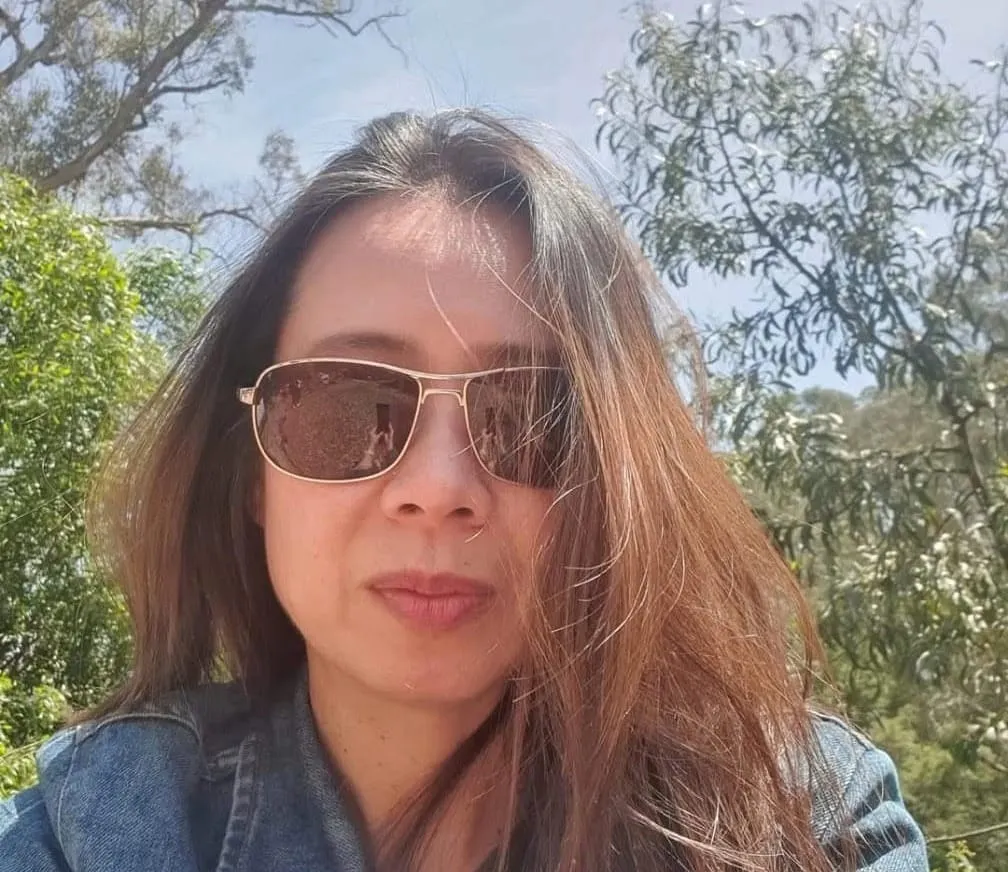
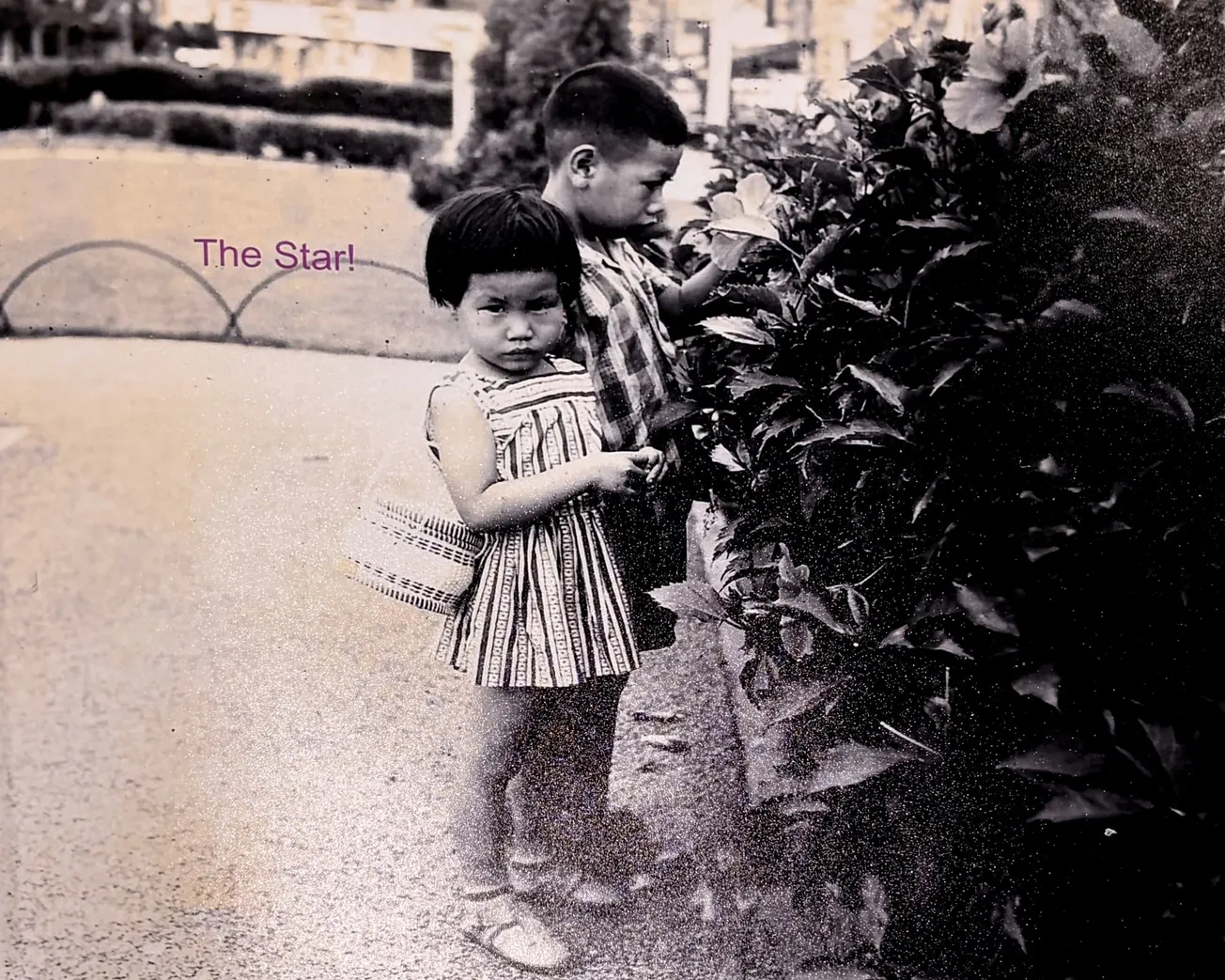
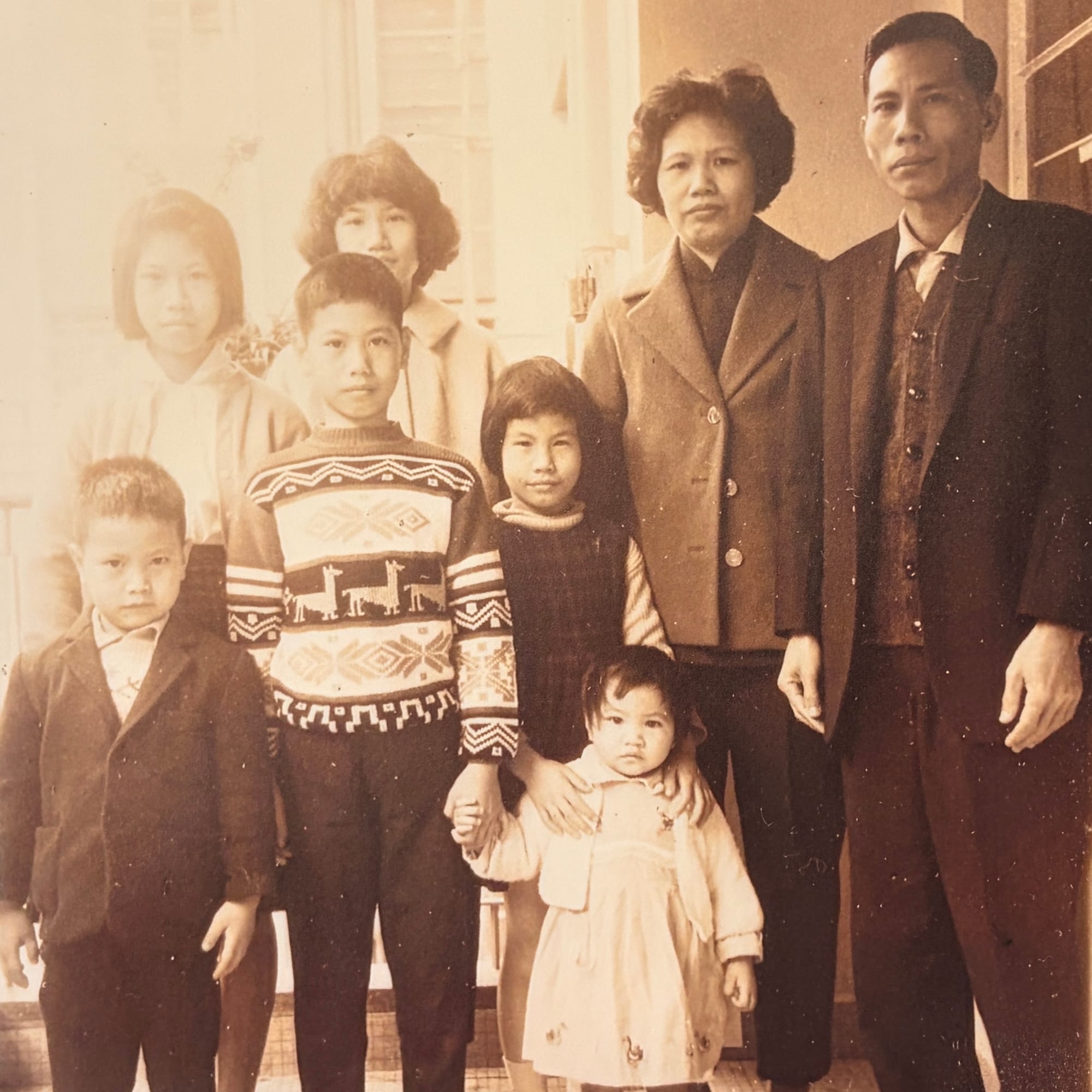
Elie Yim, whose Chinese name is Chan Wai Yu (陈惠愉), keeps several beautifully made photo albums at home, their pages tracing the Hong Kong family she grew up in across generations.
Elie was one of five children. Her parents first helped friends working in restaurants before eventually running one themselves, and Elie and her siblings would help after school. Today, food remains one of the clearest ways Chinese traditions continue through the family.
At Dragon Boat Festival, they still make zongzi by hand, wrapping glutinous rice together with salted egg yolk, lotus seeds, chestnuts and peanuts.
Elie’s sister also makes some traditional Hong Kong snacks, including steamed sponge cake and pineapple buns.
Over the years, the family spread across different countries. Her eldest brother came to Australia first, one of her sisters settled in the United States, and other relatives built lives in places including Canada. Elie’s parents later followed their son to Australia, reflecting a traditional expectation in the family that parents would follow their son.
Distance did not stop those traditions from appearing in the next generation.
When Elie’s eldest daughter married, the wedding combined Western and Chinese customs.
During the bridal pick-up, a whole roast suckling pig was laid out, while the groom was blindfolded for one of the playful door games common at Hong Kong weddings.
The couple later took part in a traditional Chinese tea ceremony, serving tea to older family members.
“They want to follow our traditions,” Elie said of the Western side of the family. “And respect our tradition too.”
“In fact, they want to learn more.”
But for Elie, preserving tradition does not mean preserving everything.
“Sometimes we need to learn some Western ideas as well,” she said.
Parenting is one example.
Elie said Chinese parents could sometimes be too strict with their children, following what she described as a “tiger mum” approach.
“Study, study, study, study,” she said, imitating the pressure children could hear at home.
In Australia, she saw children being given more room to develop according to their own interests.
“For me, let them develop,” she said. “Let them want to do something they want to do, they enjoy to do it.”
Both of Elie’s daughters eventually adjusted their career paths rather than simply following the paths once expected of them.
Each child, Elie said, is different.
Language has been harder to pass on.
Elie’s daughters grew up in Australia and attended Chinese language classes, including weekend Chinese school. They could understand much of what they heard, but speaking confidently was more difficult.
Sometimes they chose not to speak Chinese because they felt they sounded different from people who had grown up using the language every day.
That became especially clear when Elie’s younger daughter travelled to China.
A taxi driver assumed from her appearance that she could speak Chinese. She could not, and eventually used her phone to translate the conversation.
The gap has continued into another generation.
When Elie once referred to bread simply as “bao (包)”, as she would in Chinese, her young grandson quickly corrected her.
“That’s not bao, that’s bread,” he told her.
Elie laughed at the memory. She said the children are gradually picking up more Chinese.
She knows from experience how difficult another language can be.
Growing up in Hong Kong, Elie studied English at school but had few opportunities to speak it in everyday life. Once she arrived in Australia, conversation was much harder than classroom English.
“When we came over, so hard, so hard,” she said.
She remembers not having enough vocabulary and having to work out how to arrange a sentence before speaking. Thinking first in Chinese and then translating into English made conversation slower.
Her brother suggested an unusual way to practise listening: horse-racing commentary.
The commentators spoke extremely quickly. If she could understand them, he told her, ordinary conversations would become easier.
Her advice now is simple.
“The more you speak, the more you get better,” she said.
“If you don’t say anything, people don’t know.”
Her connection to Hong Kong has never disappeared.
Last year, Elie returned to Hong Kong twice, including for a school reunion marking around 50 years since graduation.
She saw teachers and school friends she had known since her school days, including some she had not met for many years.
Back in Australia, those memories sit alongside much newer ones in the albums she has carefully preserved.
The early pages belong to Hong Kong. Later ones hold children and grandchildren.
The next generation speaks differently, chooses different careers and has grown up with different expectations.
More than half a century after arriving in Australia, Elie knows what she would tell her younger self.
“You need to be yourself,” she said. “You need to be yourself.”
She once measured success through study, marks, professional titles and material things: a good car, a prestigious job, or the expectation that a child should become a doctor or lawyer.
After decades in Australia, she sees those measures differently.
“That doesn’t matter in Australia,” she said.
What matters more is working hard, whatever the job, and knowing what you want.
Her daughters have chosen their own paths. Her grandchildren are growing up with different languages and expectations. Some traditions have remained; others have changed with them.
“Your life is your own. You don't need to compare it with other people's lives,” Elie said.