Table of Contents
When it comes to comfort food, few dishes rival char kway teow (CKT). This iconic Malaysian noodle dish has gained popularity well beyond its shores. Here, Manningham Life takes our readers on a tour of some of the best CKT right here in our own backyard.
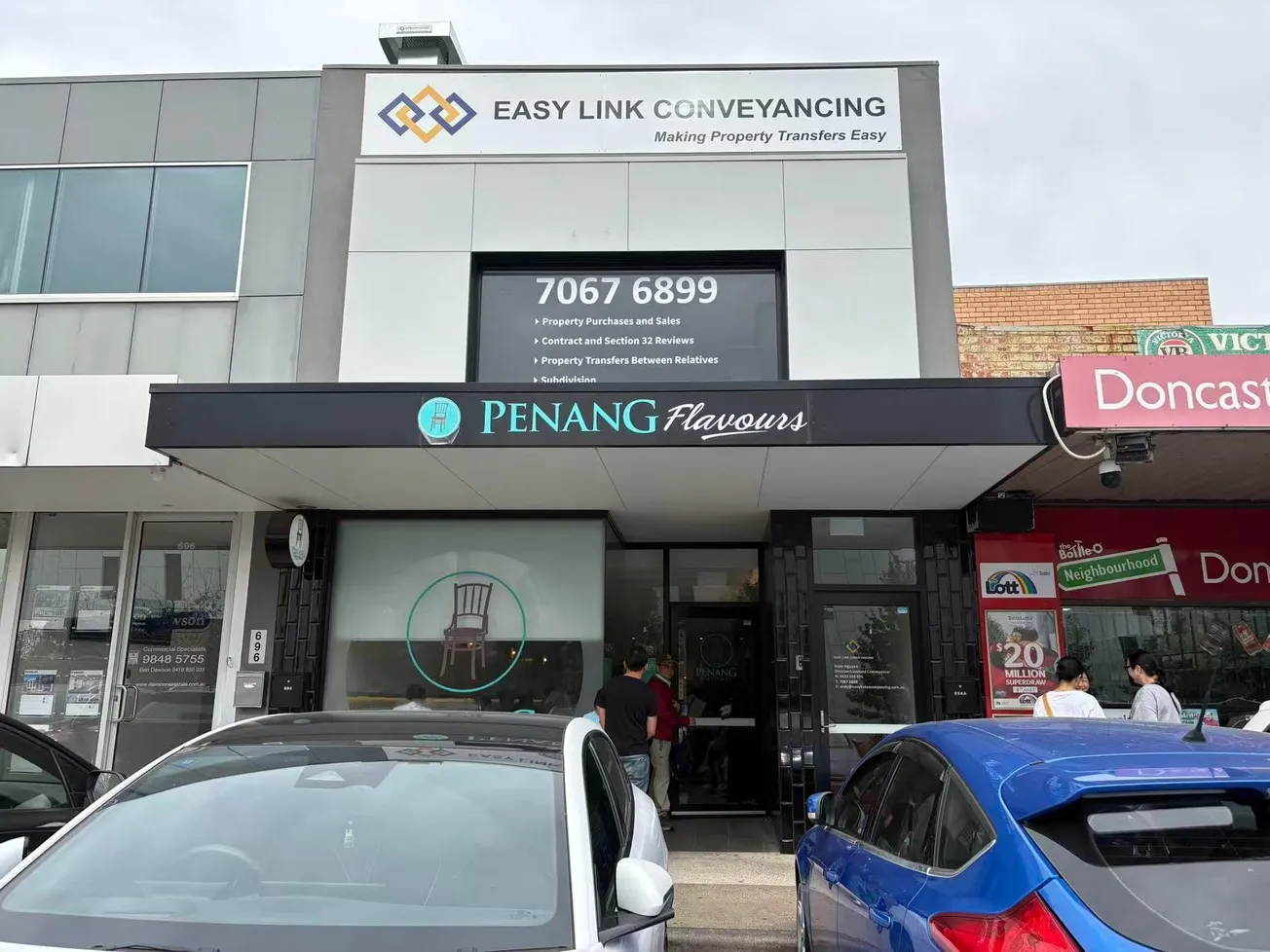
In Manningham, there is no shortage of restaurants offering to satisfy this craving. In Doncaster alone, there is the institutional Penang Flavours, the quiet understudy KL Malaysian Hawker, and Hardware Lane’s legendary Lulu’s Char Kway Teow. Further out, Doncaster East is home to Hawker Huat, which offers a more low-key, homely experience. Nearby, feisty newcomer Nan Yang Flavour Kitchen (previously Balwyn North’s Nan Yang Express) eagerly awaits. And, finally, in neighbouring Donvale, Laksa Village plays host to diners hungry for all sorts of Malaysian comfort foods.
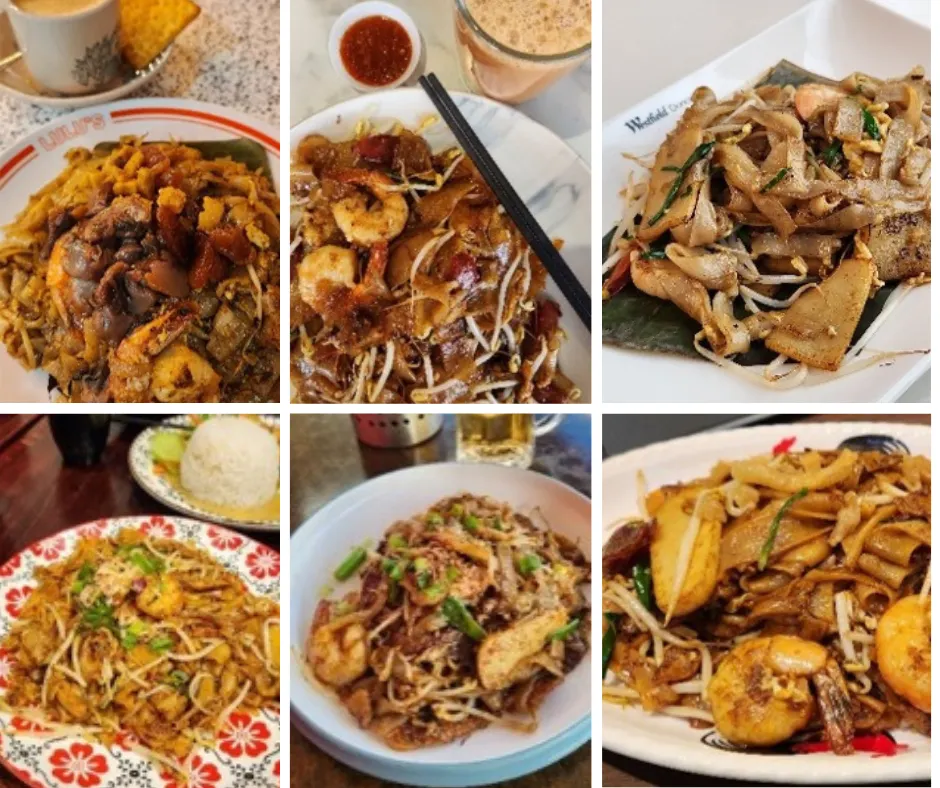
The gold standard originates from Penang, but not many ‘Penang Char Kway Teow’ plates come close to the ones enticing visitors to the island and its mainland territories. There, artisans have wielded their woks and ladles for decades, deftly tossing thin flat-rice noodles over gas or charcoal-fuelled flames. They produce a golden ratio of ingredients with contrasting textures: crunchy beansprouts, pillowy scrambled egg, and golden nuggets of crispy pork lard, finished with herbaceous notes from chives.
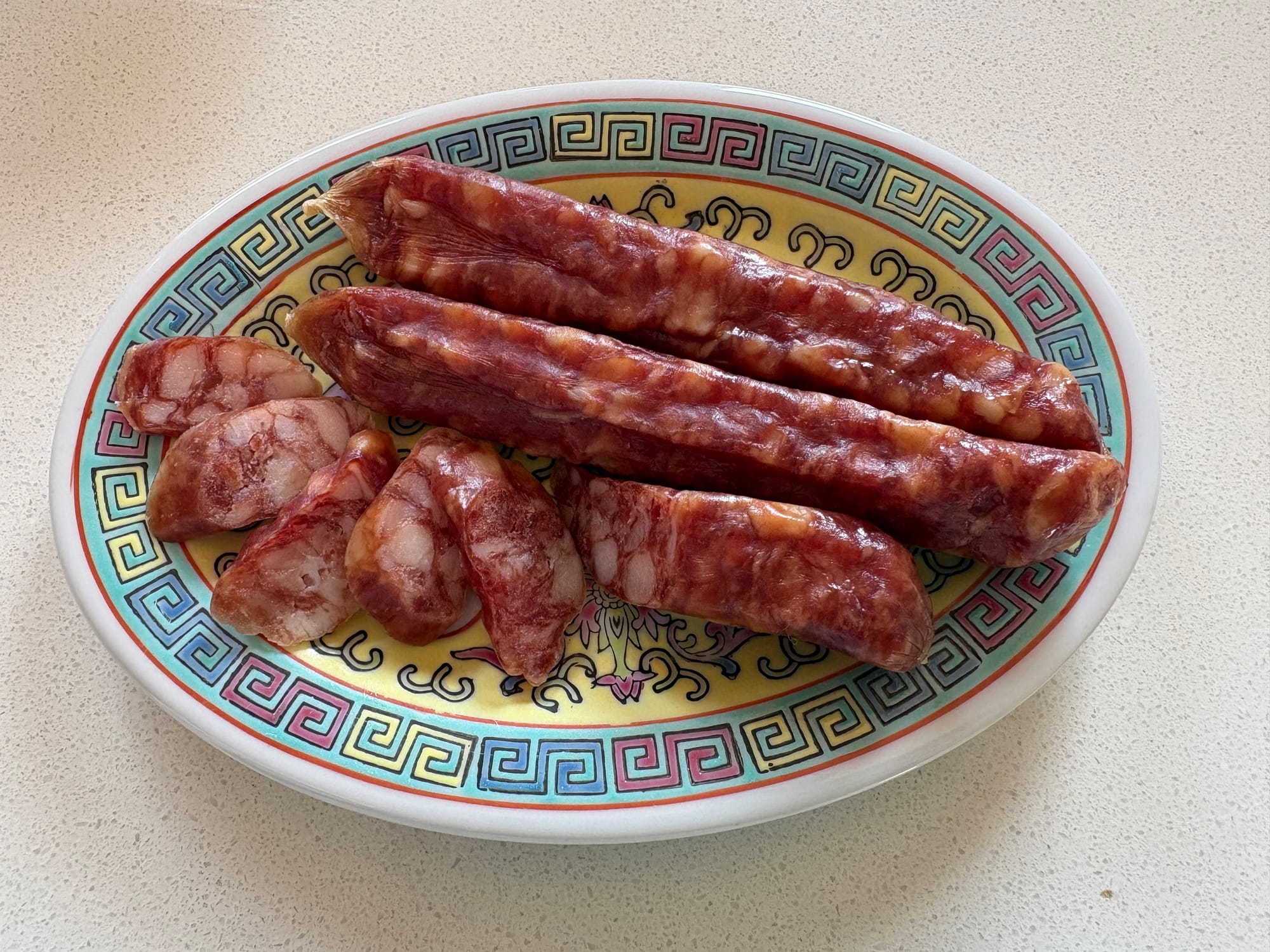
Devotees are always vigilant and worship a plate that has good wok hei – the smoky depth of flavour and searing produced by an intense collaboration of fire, oil and metal. Juicy prawns, blood cockles, and lap cheong (Chinese-style cured sausages) are integral ingredients that have to be in peak condition. While it is true that the char kway teow is more than the sum of its parts, the parts do matter a whole lot. And, as connoisseurs pick apart and crown their favourite vendors, others contemplate simple pleasures such as ordering a premium duck-egg version or adding a sunny-side egg on top. Everybody, it seems, has their own favourite style.
A Bold Entrance
Bursting on to the scene back in December and armed with impressive credentials, Lulu’s Char Kway Teow set up its second suburban branch on the ground floor of the Westfield Shopping Centre. Lulu’s is probably closest to the original in terms of ingredients, with blood cockles and duck eggs on offer. The flat, thin noodles are unabashedly savoury. Shrimp paste and peppery notes tingle the taste buds for a full-bodied and complex mouthful. Apart from spice levels, Lulu’s also offers premium plates: swapping out blood cockles with luxury ingredients such as crab meat, abalone or razor clams. The lap cheong is not heavily caramelised, retaining its soft, meaty sweetness and the pork lard appears coated and fried. Both are treated as toppings. Diners preferring a balanced or sweeter profile can request the laksa sambal tumis as a condiment. This version does not reheat well and is best eaten ‘hot-hot’ on the spot. A teh tarik with cream crackers is an irresistible sidekick.
Reigning Wok Star
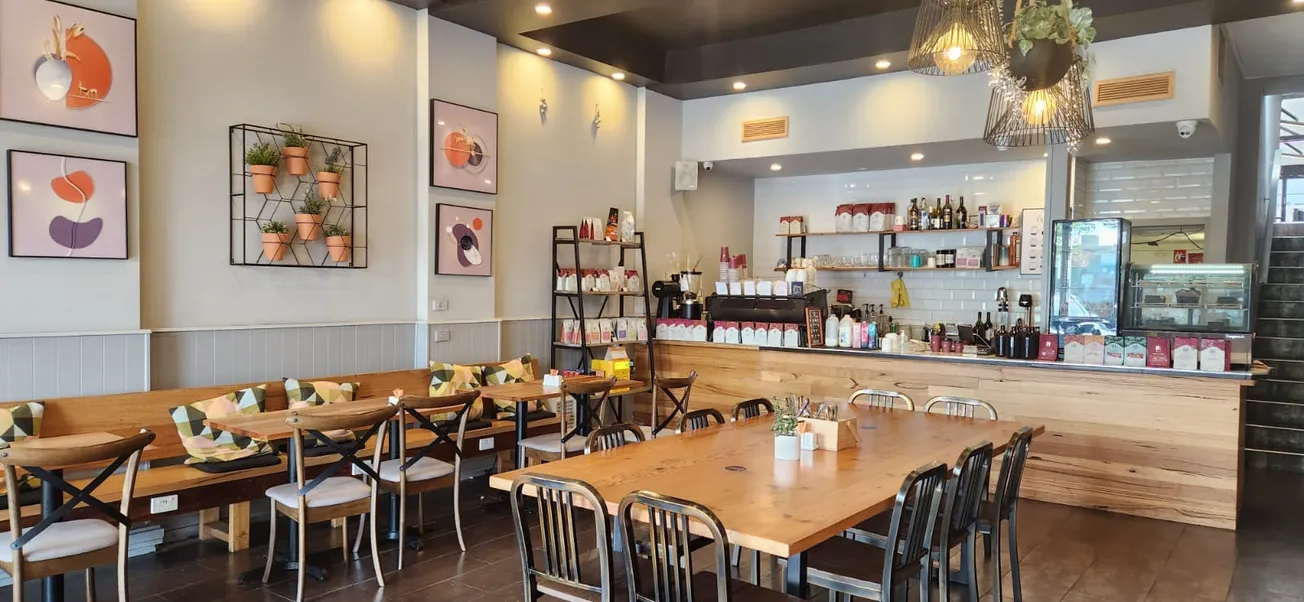
In contrast, Penang Flavours presents a version abundant with lap cheong and fish cake slices. The rose-scented wine and high sugar content, essential ingredients of lap cheong, infuses the wide-profiled, chewy noodles with a perfumed sweetness that can be as polarising as shrimp paste. This sweetness would be overwhelming if not tamed by the wok hei achieved by the skilled chef. Penang Flavours also has arguably the best fried egg of all. Charred and tasty yellow streaks couple up with a very a generous serving of beansprouts, and finely cubed pork lard and minced garlic fried to golden perfection flavour every mouthful of satisfied customers. The restaurant is also known for their bright and tangy sambal belacan with citrusy notes from kaffir leaves. It lightens up and refreshes the overall experience, cutting through the richness of the fatty elements. One of the most balanced in terms of flavour, it is no wonder Malaysians have been treating this restaurant as a char kway teow haven for years.
Waiting in the Wings
For those who are not sticklers for lap cheong and pork lard, KL Malaysian Hawker definitely has something good to offer. Staying true to the Penang style of noodles and seasoning, this Westfield Food Court version boasts a fair bit of wok hei and serves their version with thick, fat slices of fish cake. The soft and springy noodles are not heavily seasoned with dark soy sauce and best of all, this version seems freezer friendly. For some diners, char kway teow should be served with a health warning. The fact that it can be portioned, microwaved from frozen and enjoyed in reasonably decent condition is hopeful news. KL Malaysian Hawker also has a delicious and aromatic sambal tumis used in their Nasi Lemak and Roti dishes, if you are seeking to spice up your plate. Otherwise, char kway teow here is served with a subtle but gentle, lingering heat, similar to the original ‘blonde’ style in Penang.
Going off-script
Hawker Huat takes further liberties, serving up kway teow with chicken and no chives in sight. However, in all fairness, the proprietors humbly refer to their version as ‘Sambal Fried Kway Teow’. Never mind the lightly broken noodles, spring onions and fried shallots; this dish is the least oily and felt almost cooked from home. It was also easy diving back in for more because of their zingy, shrimp-paste forward sambal belacan.
Alternative Genre
Those who like their kway teow more moist, less charred, might enjoy the version served at Donvale’s Laksa Village where plates are loaded with lap cheong and thick slices of fish cake. The overall flavour profile is darker and sweeter, edging closer to the Singaporean style. Their hot Chinese tea is a recommended accompaniment. The missing chives would have helped too.
People pleaser
The version offering the most calories per dollar belongs to the uber competitive Nan Yang Flavour Kitchen, who are already known for their ten-dollar meals across Melbourne. For $15.50, customers will get a huge serving of silky, chewy noodles, sweet prawns and lots of crunchy beansprouts. There is noticeably less fish cake and lap cheong, but this is not necessarily a bad thing. The noodles are on the oily side but that might just be the price to pay for the texture achieved depth of flavour and its noticeable wok hei. The egg and pork lard need a little more finesse to elevate the outcome. A hot barley drink sweetens the experience.
Ultimately, the best way to appreciate char kway teow here is to embrace the ‘Melbourne Ratio’. A king-sized portion of wide-profiled noodles is the common option. Salty, umami highlights have to play nice with darker, sweeter undertones. Fish cake sizes only come in mega or jumbo. Chives are an arbitrary item – easy to overcook and hard to find if used in tiny amounts. Lap cheong is offered in generous quantities, often mixed through instead of perched atop the mound of gleaming noodles.
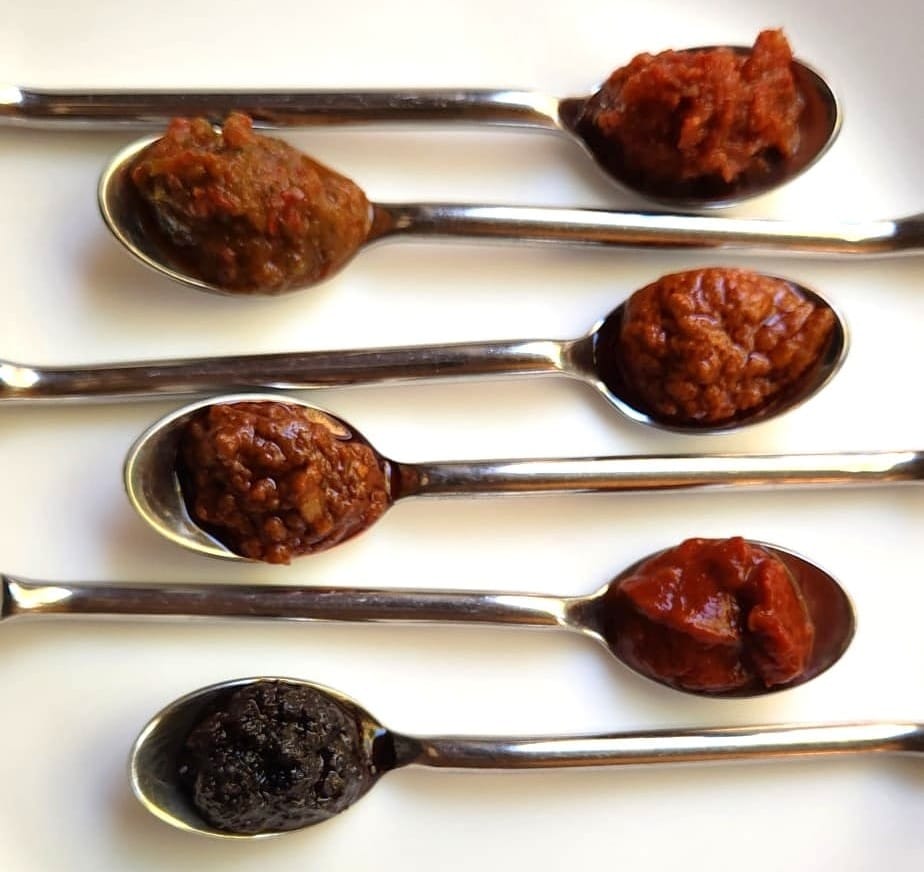
Lastly, a note on sambals. Malaysians love their ‘extra chili’. “Got sambal or not?” Of course, “got”! How to resist when the magic of a sambal is its capacity to encapsulate the fragrance of the entire region on the tip of one’s tongue. Transportive effects aside, take note that the sambal requested was designed for a completely different dish; think Curry Laksa or Hokkien Mee, where sambal is an essential side condiment. On the internet, there are many writers presenting recipes of char kway teow with ‘some sambal on the side’ – a concept quite rare in Malaysia. This is an evolving situation with no perimeters in sight.
In the end, regardless of which flavour profile you prefer, who gets crowned the wok hei champion, or whether there's pork lard on your plate, comparisons and nostalgia can sometimes get in the way of enjoying the present moment. Manningham residents are spoilt for choice, with so many great CKT spots right here on our doorstep. Char Kway Teow, anyone?