Table of Contents
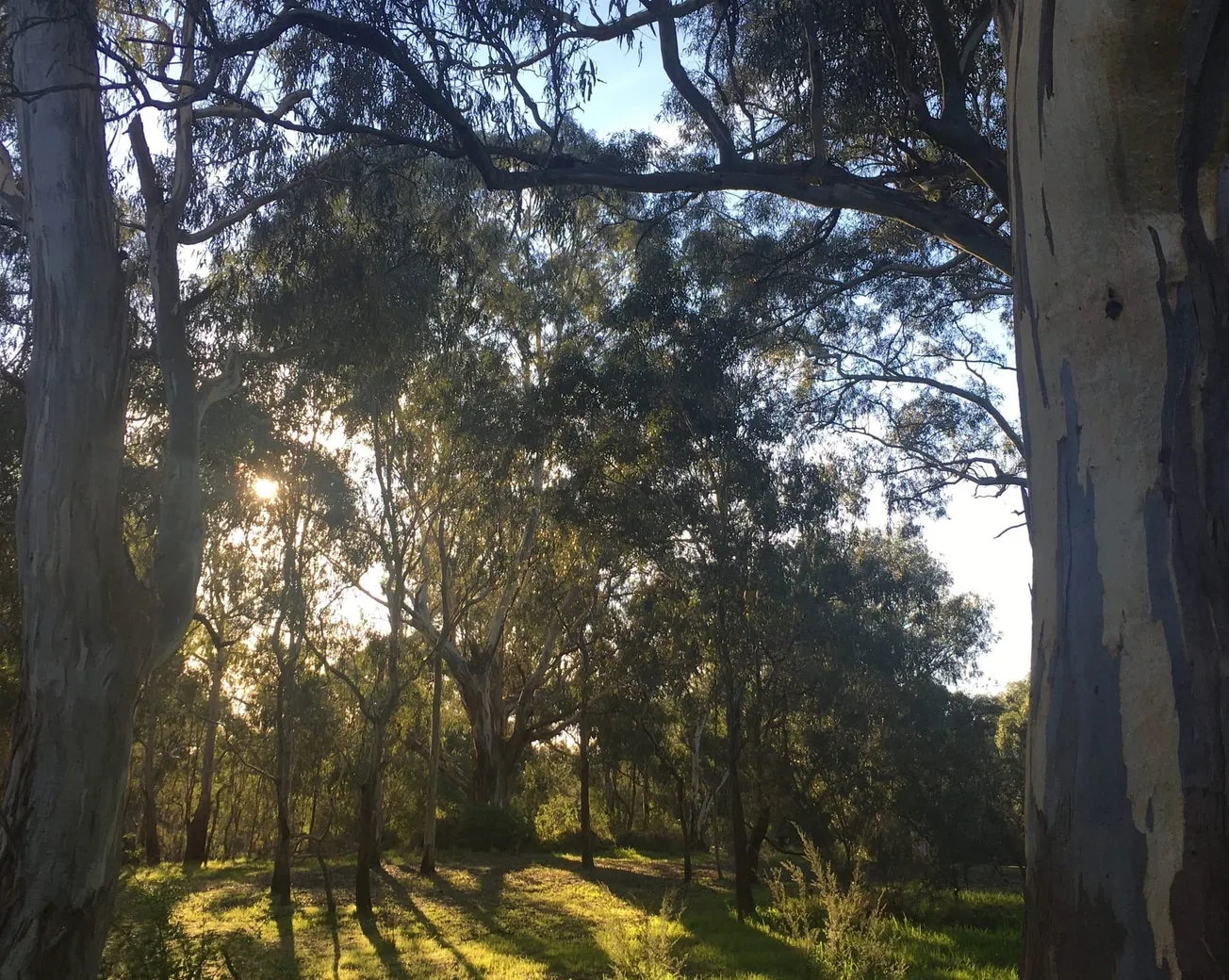
Once the great Australian dream, backyards — and the trees that define them — are steadily disappearing from suburban homes. Manningham is not immune. Preparing blocks for new builds should not mean the total removal of every tree, or developments where the house consumes the entire block, leaving no backyard at all and a front yard reduced to paving or pebbles.
Some suburbs, like West Brunswick, where one of the writers of this article once lived, do have advantages that many parts of Manningham don’t — particularly excellent public transport. Trams, buses and trains were virtually at her doorstep.
But Brunswick is not as green. It does not have the same tree canopy or abundance of parks that Manningham suburbs enjoy. Many people choose to live in Manningham for exactly that reason — its leafy streets, open spaces and sense of breathing room. And yet, we are losing tree canopy at a concerning rate due to urbanisation and development, particularly on private land. The North East Link Project will result in the loss of at least 26,000 mature trees. (Another source: https://www.theage.com.au/national/victoria/tree-chop-underestimated-by-80-per-cent-on-north-east-link-20210601-p57wyo.html).
Should we be worried?
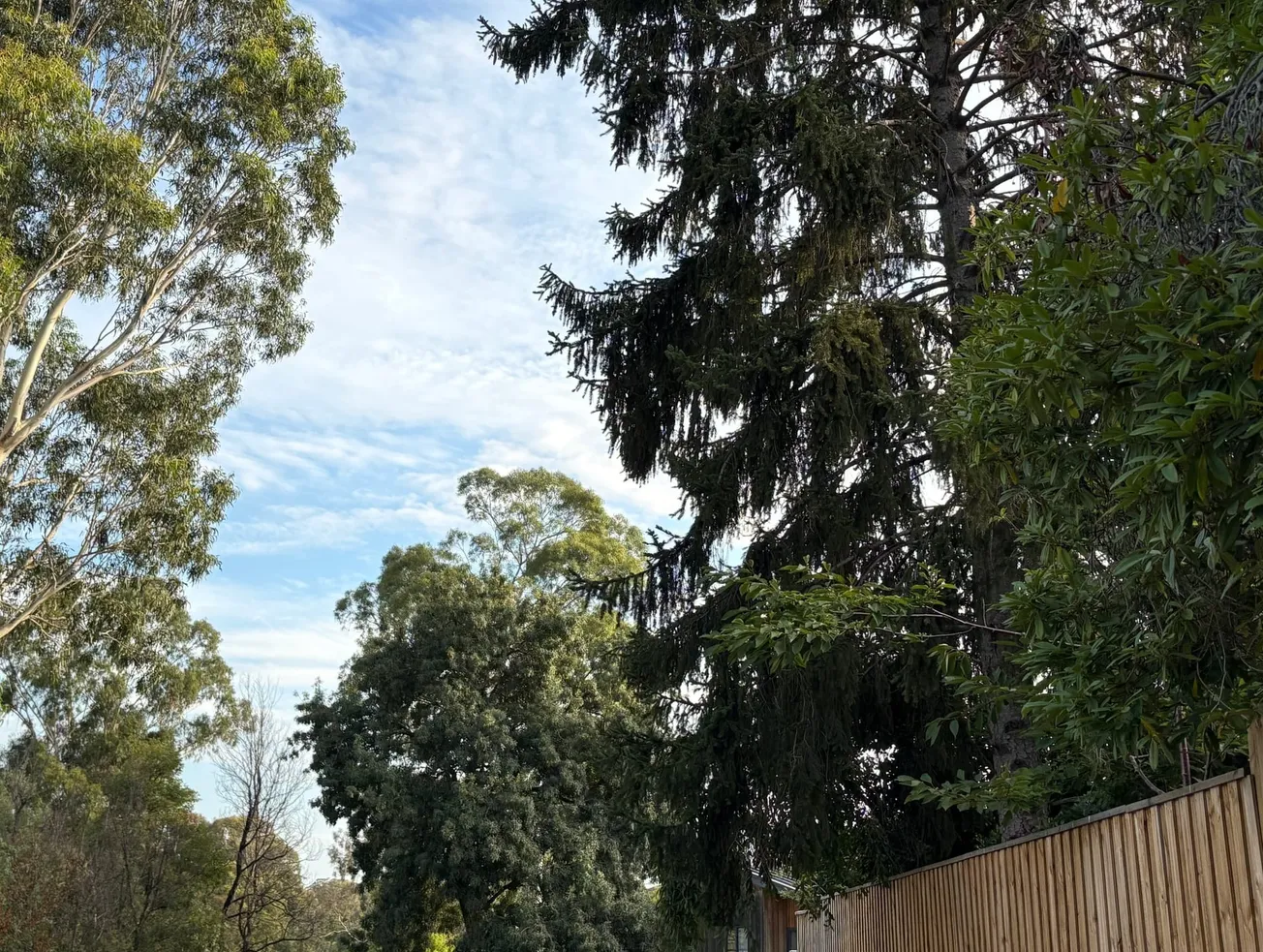
Trees dramatically improve the look and feel of a suburb, making it more attractive, liveable and welcoming. They provide essential shade, cool our streets, and make walking and socialising far more pleasant. Leafy streets with mature trees are also linked to higher property values, because people intuitively associate greenery with wellbeing and quality of life. The evidence simply confirms what many of us already feel.
Beyond aesthetics, trees cool our environment, clean the air by absorbing pollutants and storing carbon, manage stormwater and reduce flood risk. They support biodiversity by providing habitat, and they significantly improve both mental and physical health by reducing stress and creating more resilient neighbourhoods.
Dr Greg Moore, Honorary Senior Fellow at the School of Agriculture, Food and Ecosystem Sciences at the University of Melbourne, points to compelling evidence. “From a mega-data study on women’s health in the United States, we know that in treed green spaces, women live longer, use fewer prescribed medications, give birth to babies with higher birth weights, and are hospitalised less and for shorter durations.” He adds, “When trees are lost, the potential for coping with climate change is also lost. Trees play a vital role in making cities sustainable and liveable as the climate warms and dries. The subdivision of older homes involves the loss of mature trees on private land. There is an assumption that these losses will be compensated by street planting. This is pure fantasy: the large old house and block transforms into four townhouses with four driveways, which leave little, if any, space in the nature strip for sizeable trees.”
We see the value of trees every day. People instinctively park their cars in the shade. Walkers know how much cooler it feels under trees than on exposed footpaths. Homes surrounded by trees benefit from cleaner air, reduced heat, lower energy bills, less noise, more privacy and, often, higher property values. Together, these benefits create healthier, calmer and more energy-efficient living environments. And yet, we continue to take trees for granted.
A University of Wollongong study in July 2019 found that people living in urban areas have a lower risk of psychological distress and better overall health when there are more trees within walking distance of their homes.
Research from the University of Melbourne reinforces this, showing that a 5% drop in urban tree cover can result in a 1–2°C increase in local temperatures, leaving communities more exposed to extreme heat. This matters enormously for public health — particularly for older residents, young children and those with existing health conditions.
RMIT University urban planner Dr Thami Croeser has argued that while denser suburbs can help reduce car dependency, this should never come at the expense of tree canopy. “You need tree canopy close to homes to protect neighbourhoods from heat. If you look at green suburbs in places like Brisbane, or even in Melbourne, the street trees aren’t doing the heavy lifting — it’s the backyard trees.”
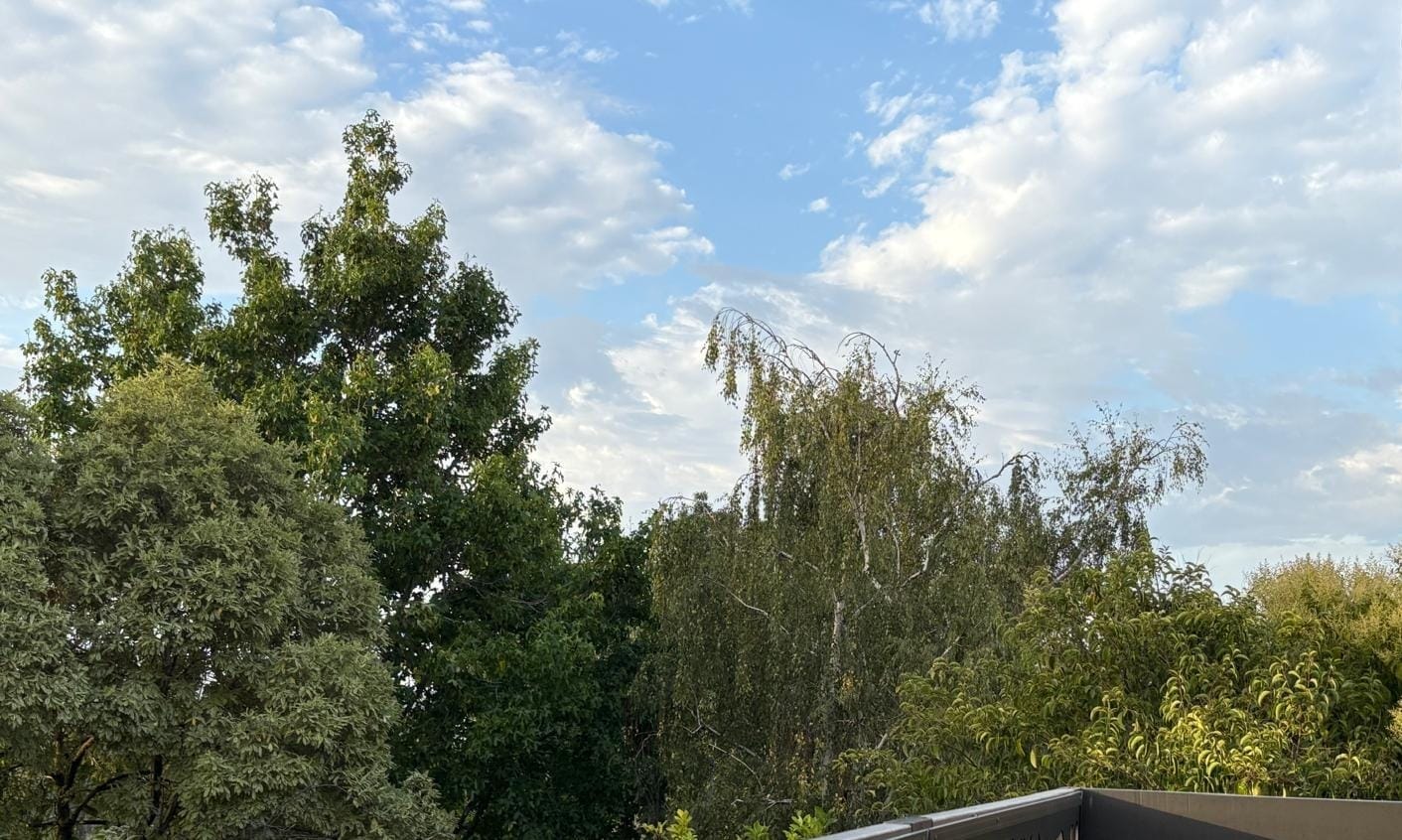
The conclusion is clear. We all share responsibility for keeping our suburbs green and for pushing back against the loss of tree canopy. That means simple actions, like watering nature strip trees during dry periods. But it also means demanding stronger protections for existing trees, especially when governments are making it easier for developers to remove them. Once they’re gone, we don’t get them back.