By Yue Luo, Jiayuan Liang and Yiping Chang
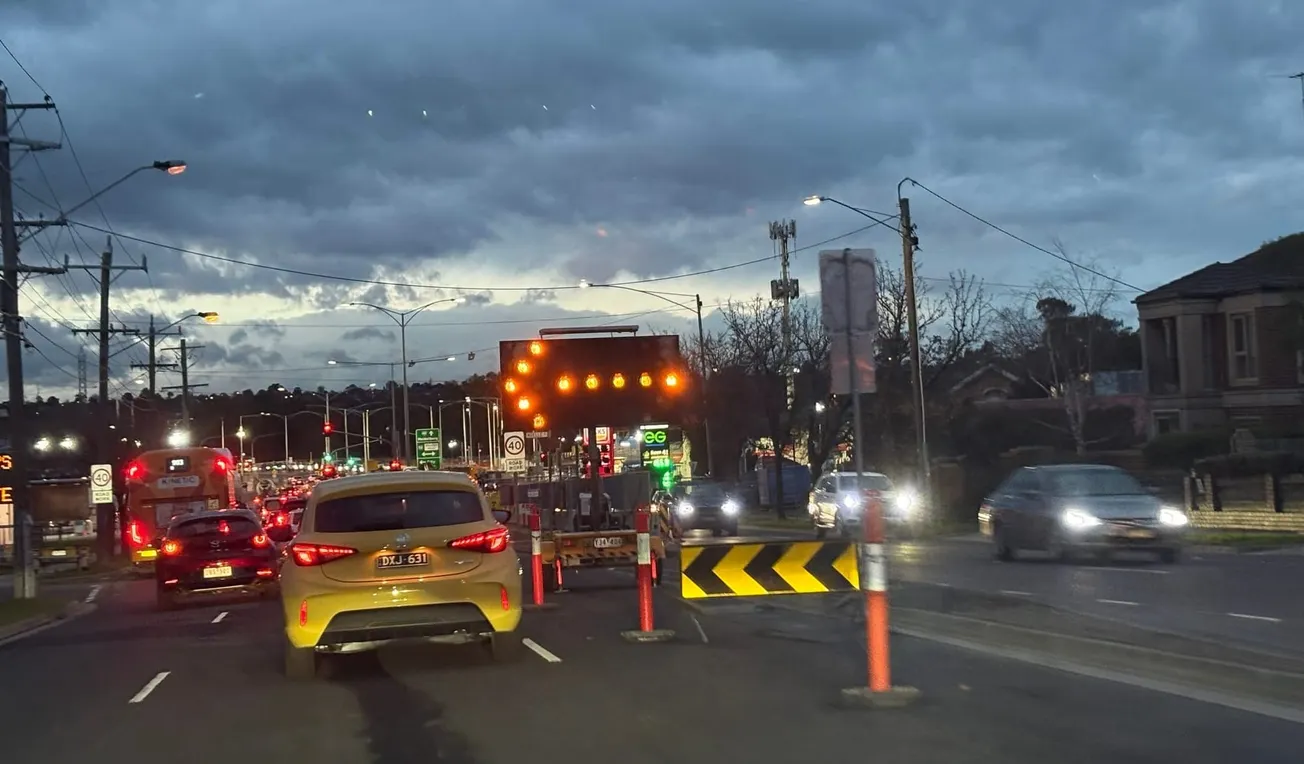
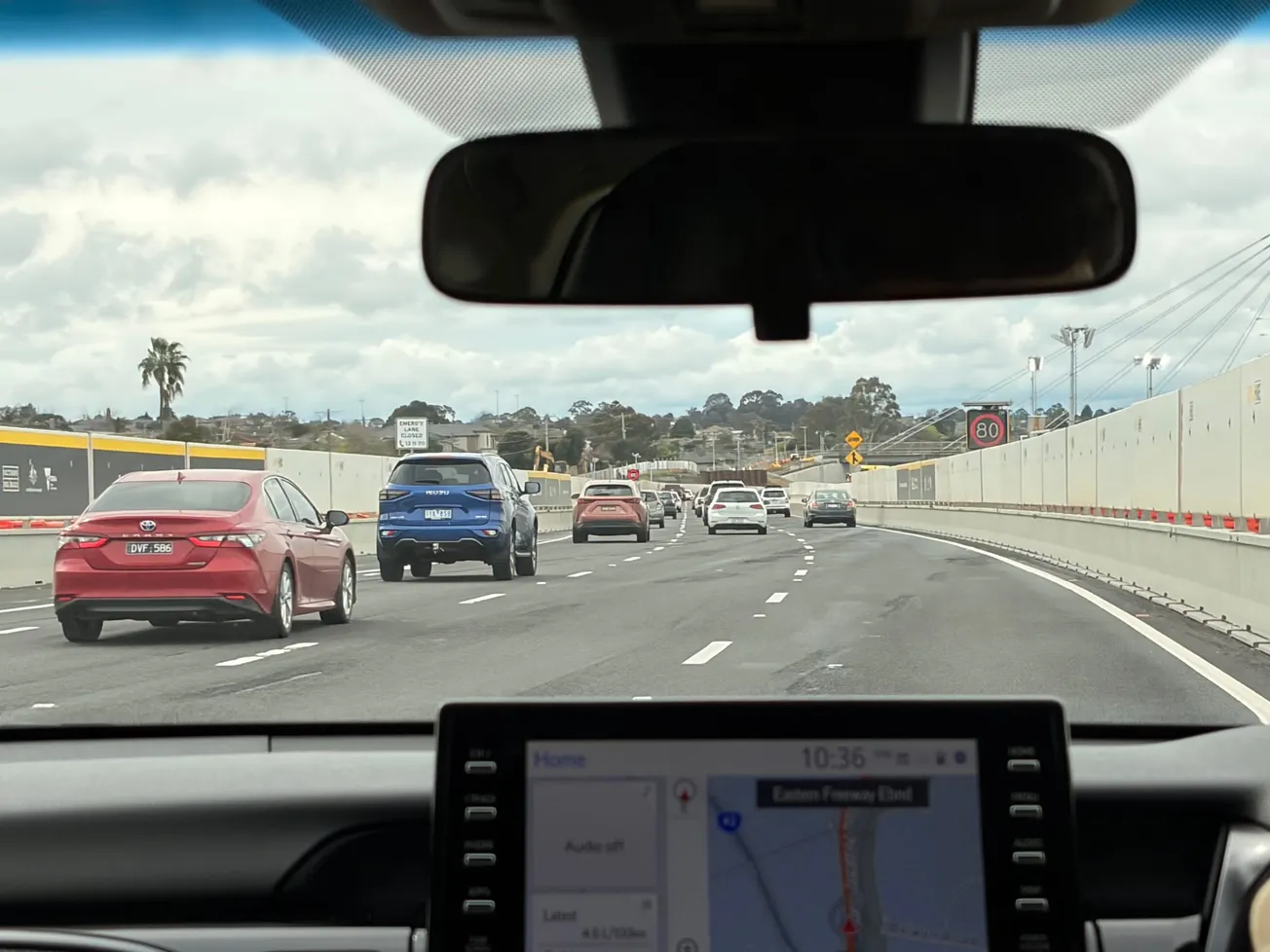
For motorists who rely on Doncaster Road, even a familiar journey to work has become difficult to predict.
"On some days, especially work hours, it is almost impossible to predict how long travel to work will take," one respondent wrote in a Manningham Life survey about road closures and detours linked to the North East Link works.
The respondent also described difficulties accessing Doncaster Road during school pick-up and drop-off times, when congestion made everyday journeys particularly frustrating.
"In short it is a nightmare."
The experience reflects broader concerns raised in the survey. Of the 89 respondents, 91 per cent reported longer journeys, 66.3 per cent said travel times had become less predictable, and 85.4 per cent felt local roads had become less safe.
Conducted from 18 September to 4 October, the survey collected responses from 75 Manningham residents and 14 people who work, regularly spend time in or travel through the municipality.
Road closures and detours associated with North East Link works have affected the Eastern Freeway and surrounding roads throughout the year. During August and September, closures between Bulleen Road and Springvale Road, restrictions around Thompsons Road and changes to turning arrangements on Doncaster Road and Manningham Road disrupted traffic, with authorities warning of delays of up to 90 minutes during some peak periods.
Everyday journeys, disrupted
For many respondents, the difficulty is not simply spending more time in traffic, but being unable to predict how long an ordinary journey will take.
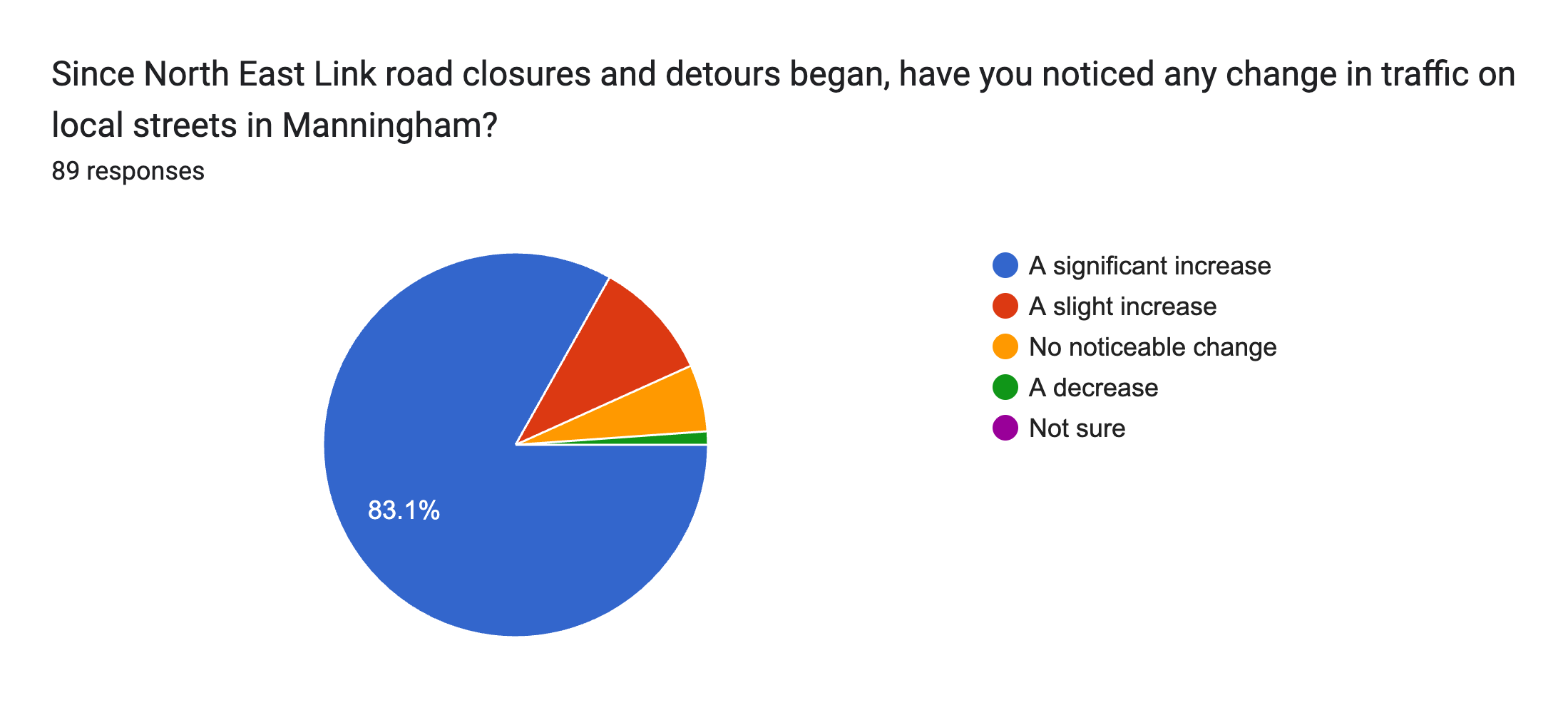
The survey found that 83.1 per cent had noticed a significant increase in traffic on local streets since North East Link closures and detours began.
Many reported changing their travel habits. Almost two-thirds (64 per cent) were using different routes, while 56.2 per cent were leaving earlier or travelling at different times. Almost 45 per cent said they were avoiding or postponing some trips altogether.
For people commuting to work, collecting children from school or travelling to appointments, unpredictable delays can make daily schedules harder to manage.
Traffic troubles reach local streets
While the closures affect major transport routes, respondents also reported difficulties on surrounding streets and at intersections they regularly use.
Doncaster Road, Manningham Road, Bulleen Road, Thompsons Road and High Street featured prominently in written responses about congestion and road safety.
Around Manningham Road and Thompsons Road, several respondents raised concerns about temporary lane arrangements and changing turning restrictions.
One respondent said some drivers continued following a previous lane configuration after temporary turning lanes were removed. According to the respondent, this had caused near misses and brought traffic to a standstill.
Another questioned the removal of a right-turn lane from Manningham Road into Thompsons Road, which required motorists to travel further before making a U-turn.
At the intersection of Doncaster Road and High Street, respondents described confusing road markings and traffic-light sequences they believed were inadequate for increased traffic.
One respondent said only two or three vehicles could turn right from High Street onto Doncaster Road during a green-light phase. Another described the intersection as particularly dangerous.
The concerns also reached residential streets. One respondent reported motorists using Golden Way as a detour and speeding through the street. Others identified increased traffic or safety concerns along Rocklea Road, Reynolds Road and Foote Street.
These accounts identify particular locations where respondents believe changing traffic conditions deserve closer attention.
Safety concerns beyond congestion
Concerns about lane changes and unfamiliar routes were reflected in the wider survey findings.
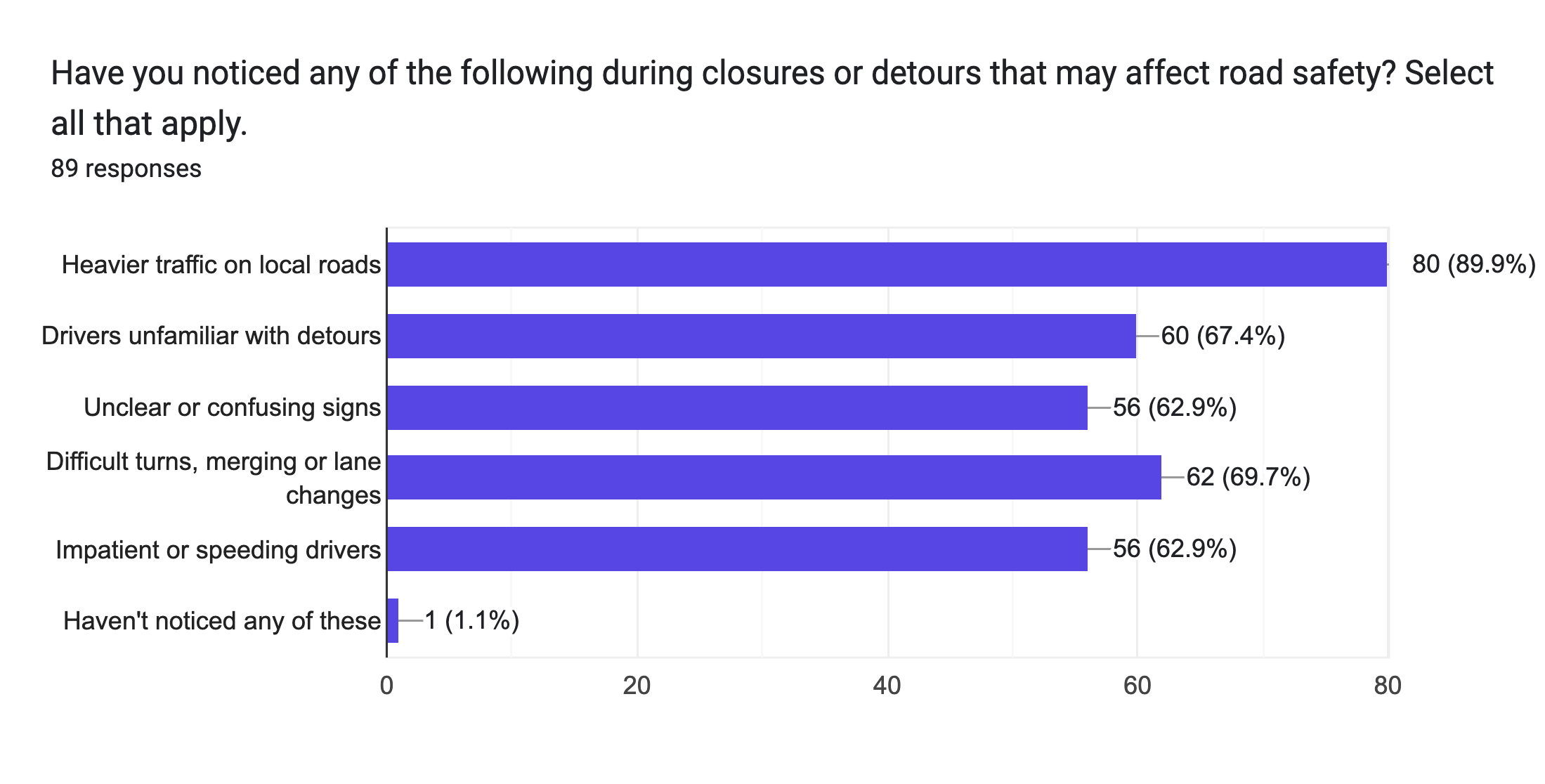
Almost 90 per cent of respondents identified heavier traffic on local roads as a safety issue. Difficult turns, merging and lane changes were reported by 69.7 per cent, while 67.4 per cent noticed drivers unfamiliar with detours. Almost 63 per cent identified impatient or speeding drivers.
The difficulties described at Manningham Road and Thompsons Road illustrate how changing lane arrangements can create confusion. Drivers unfamiliar with temporary routes may also have to make decisions at intersections where turning restrictions have changed.
Overall, 53.9 per cent of respondents said roads felt much less safe since the closures and detours began, while another 31.5 per cent felt somewhat less safe.
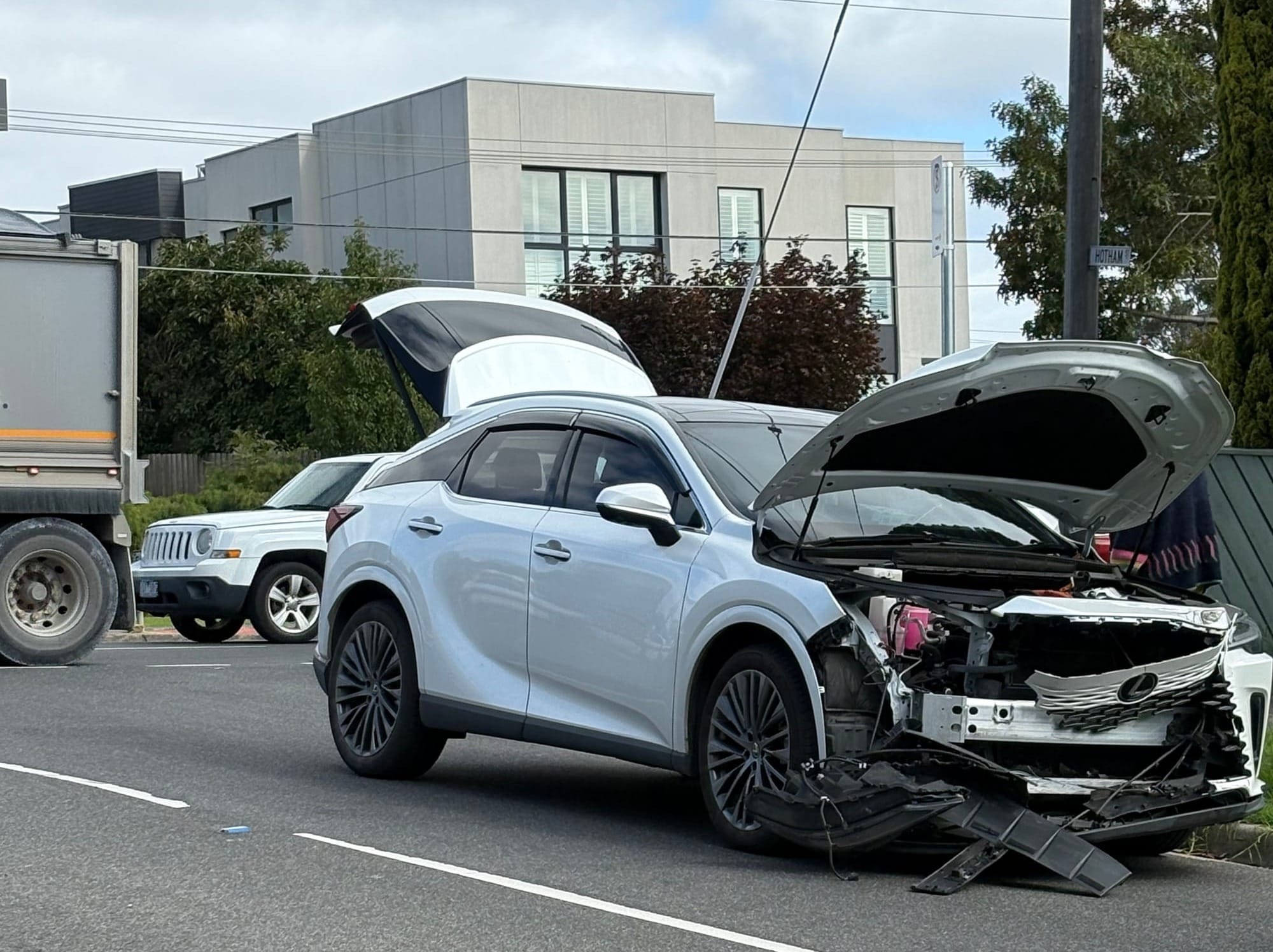
Some respondents also reported accidents and near misses during closures or detours.
More than a third (34.8 per cent) said they had personally experienced a near miss, while 43.8 per cent reported witnessing one. Another 38.2 per cent said they had witnessed an accident, and 6.7 per cent reported being involved in one.
Respondents could select more than one experience, so the percentages should not be added together. These figures reflect personal accounts rather than independently verified accident records.
The survey cannot establish whether accident rates have increased, but it shows that many respondents feel less safe navigating local roads amid changing traffic conditions.
Confusing detours, uncertain routes
For motorists trying to avoid closures, finding reliable information can be another challenge.
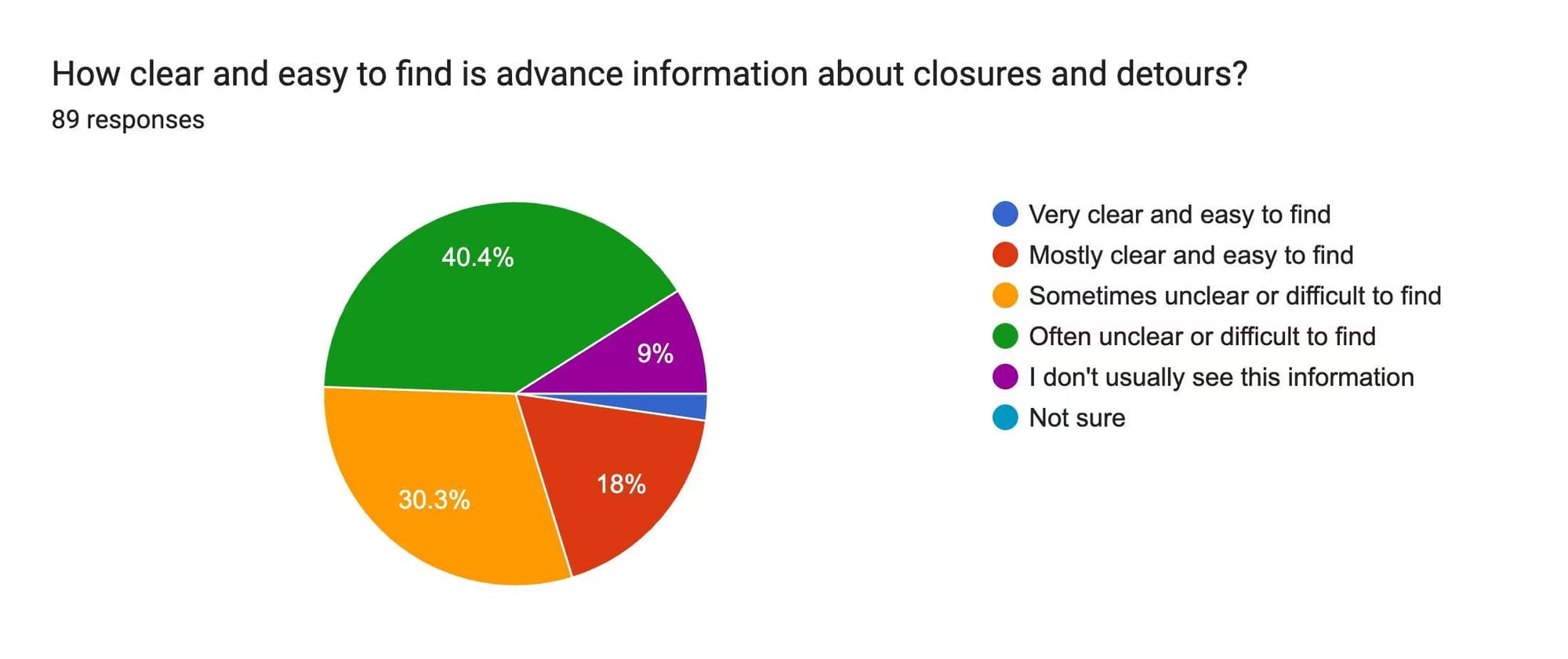
Almost 60 per cent of respondents said they sometimes only discovered a closure or detour when they reached it. About 70.8 per cent said advance information was sometimes or often unclear or difficult to find.
Respondents used road signs, electronic message boards, North East Link or Big Build updates, and navigation apps such as Google Maps or Waze to check traffic changes.
Even with these sources available, about two-thirds (66.3 per cent) said detour signs and directions were sometimes or often confusing.
Almost 80 per cent had taken a wrong turn, missed a turn-off or become unsure where to go because of changed traffic arrangements at least once. For 62.9 per cent, this had happened more than once.
More than half (58.4 per cent) also reported difficulty navigating unfamiliar local roads.
One notable finding was that 71.9 per cent of respondents felt very confident understanding road signs, detour directions and traffic information in English, while another 18 per cent felt fairly confident.
Despite this, about two-thirds still reported confusion with detour signs.
The contrast suggests that unfamiliar road layouts, changing traffic arrangements and the clarity of signage may contribute to navigation difficulties beyond language comprehension.
However, the survey does not establish whether motorists with limited English proficiency face additional difficulties, as their experiences may not be adequately represented among respondents.
Where improvements are needed
The survey points to several specific concerns that may warrant attention from North East Link project authorities, transport agencies and Manningham Council.
At Doncaster Road and High Street, respondents questioned whether traffic-light timing and road markings were adequate for increased traffic. Around Manningham Road and Thompsons Road, they raised concerns about temporary lane arrangements and turning restrictions.
Reports of additional traffic and speeding on Golden Way and other residential streets also suggest a need to examine how detours are affecting neighbourhood roads.
For motorists navigating closures, clearer directions and more accessible advance information could help reduce uncertainty about which routes to take.
It was voluntary and involved 89 respondents, so the findings are not representative of all Manningham residents. They reflect respondents' experiences and perceptions rather than independently measured changes in traffic volumes, journey times or accident rates.
For these respondents, the disruption is measured not only in time lost to traffic, but also in altered routines and concerns about the roads they use every day. Their feedback raises a practical question for those managing the works: how can local journeys be made clearer, more predictable and safer while construction continues?