Table of Contents
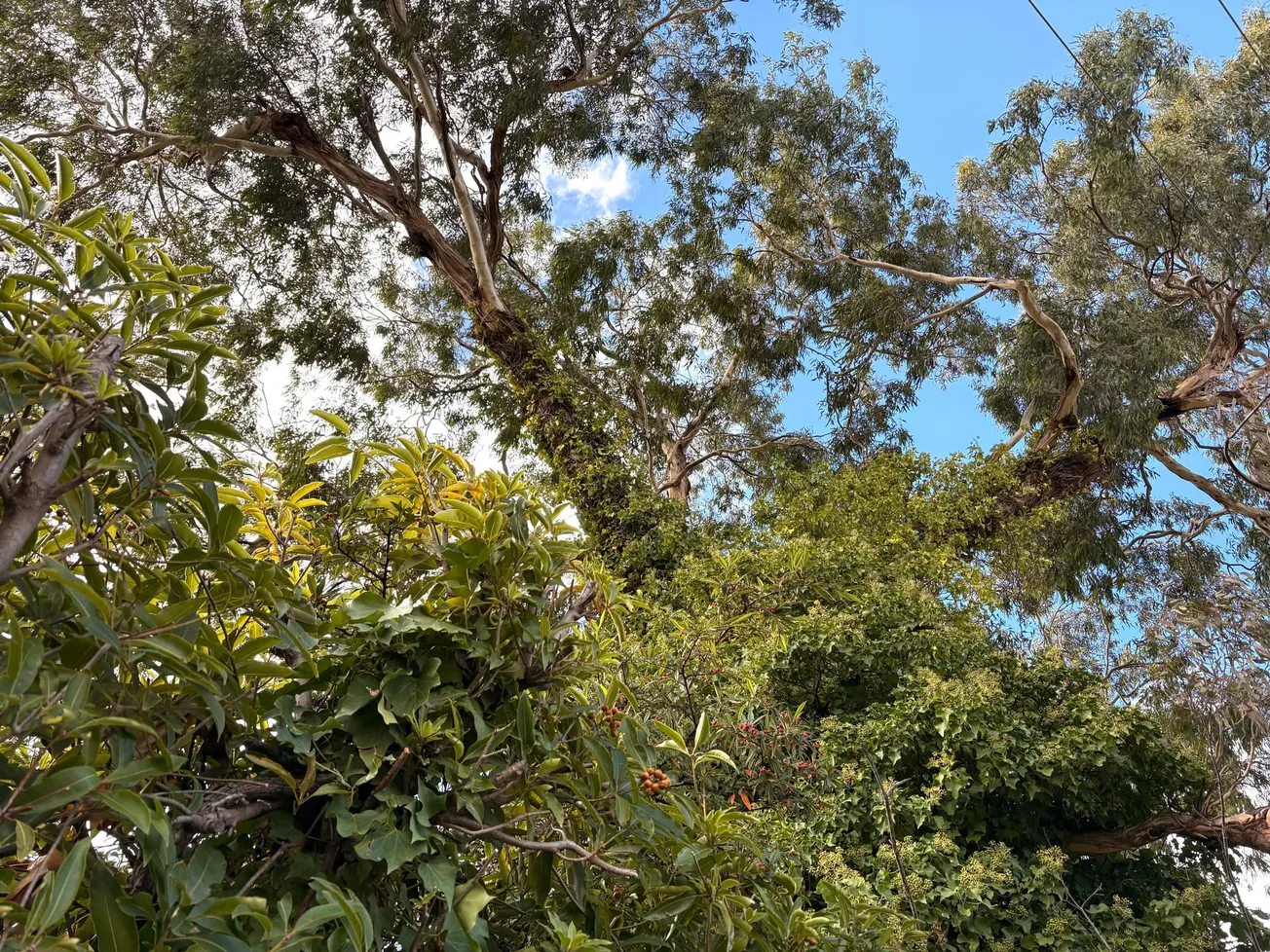
Walking along the streets in Manningham, trees lining both sides sway gently in the wind, providing shade for passersby. Sunlight filters through the tree canopy, and the air is filled with freshness and comfort.
For many residents, walking under the canopy trees is part of their daily life. Yet few realise that these mature trees with large canopies are important in improving air quality in Manningham.
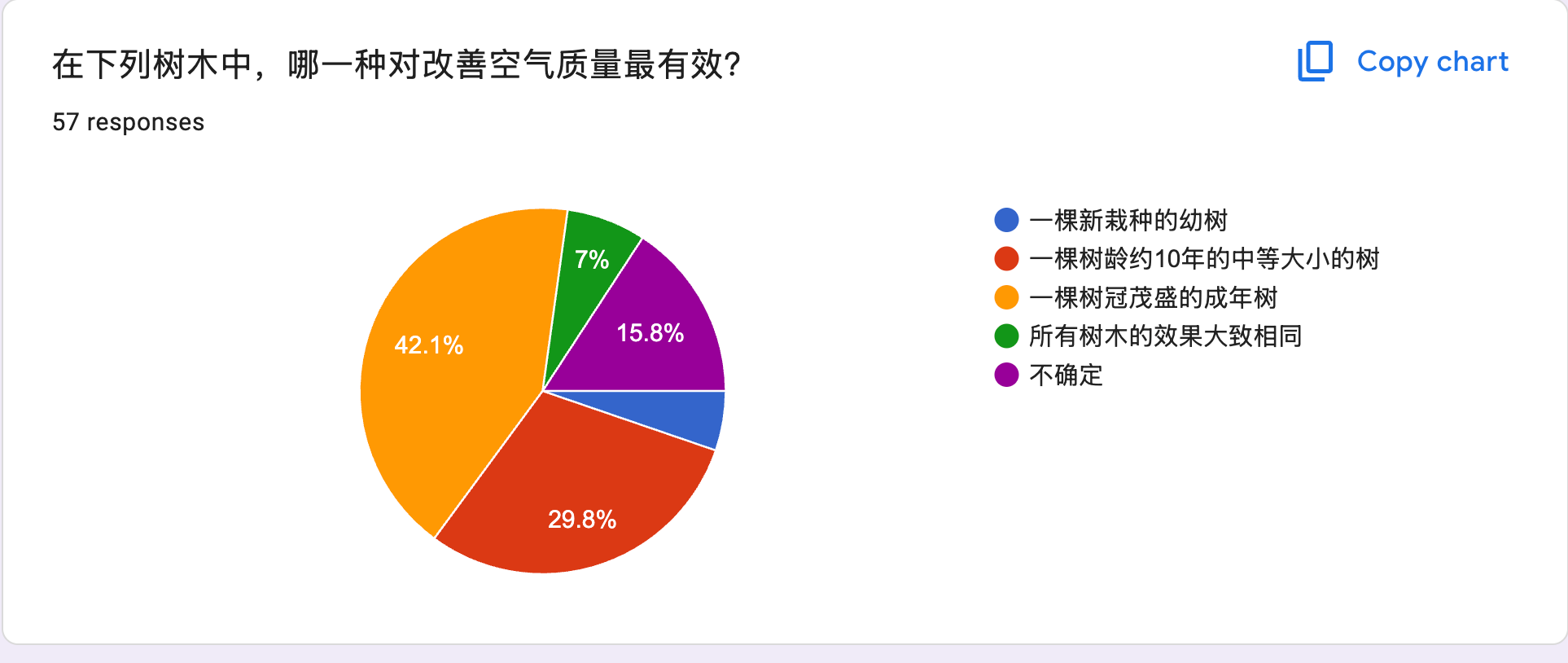
A recent Chinese-language survey by Manningham Life found that many respondents were unaware of the different environmental roles of different trees. Although trees are widely valued in the community, fewer than half (42.1 per cent) correctly identified mature trees with large canopies as the most effective for improving air quality, suggesting that public understanding is limited.
According to the US Environmental Protection Agency, trees can directly remove pollutants such as particulate matter, nitrogen oxides, sulfur dioxide, carbon monoxide and ground-level ozone from the air. The agency also notes that tall and dense roadside vegetation can reduce downwind pollution levels by about 30 per cent.
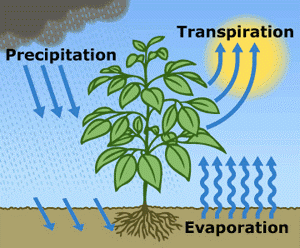
In reality, different trees make different environmental contributions, with age and size being the key factors.
According to the NSW Government, a mature tree can absorb up to 150 kilograms of carbon dioxide each year. Queensland Government information also shows that large trees store far more carbon than small trees, with carbon storage increasing sharply as trunk diameter grows. This helps explain why mature trees with large canopies can make a greater environmental contribution than younger or smaller trees.
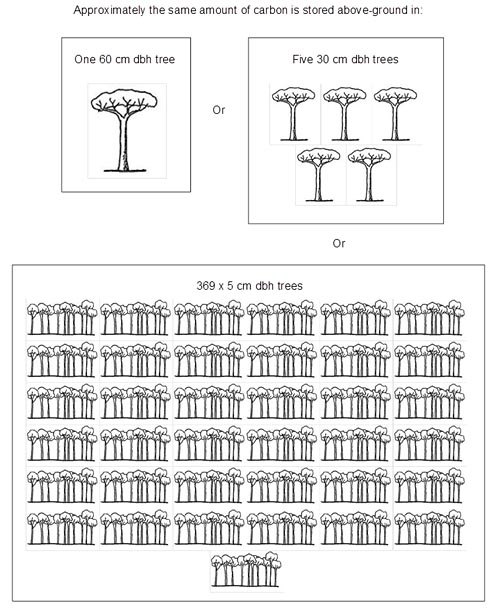
Beyond improving air quality, mature trees with dense canopies can also help mitigate urban heat. Victorian planning data shows that tree canopy cover has the strongest relationship with reducing heat in urban areas, more so than grass or shrub cover. This is especially important in Manningham, where trees are a key part of the local streetscape and where protecting existing canopy cover is becoming more significant as development continues.
This importance is also reflected in Council planning. Manningham’s Urban Forest Strategy aims to increase urban canopy cover from 22 per cent to 40 per cent by 2040, and Council says the municipality has more than 90,000 street trees.
As development continues, protecting these trees while accommodating growth is likely to become an increasingly important issue for future planning.
Greening efforts are not only about quantity, but also about quality. For Manningham residents, understanding the value of mature canopy trees is an important step towards protecting cleaner air and a healthier local environment.