Table of Contents
Immigration. A term whose turbulence has complicated many lives, leaving poets, songwriters, authors, and artists struggling to define what it truly means. For some it is opportunity, and for others it is loss, alienation, isolation, and identity fracture.
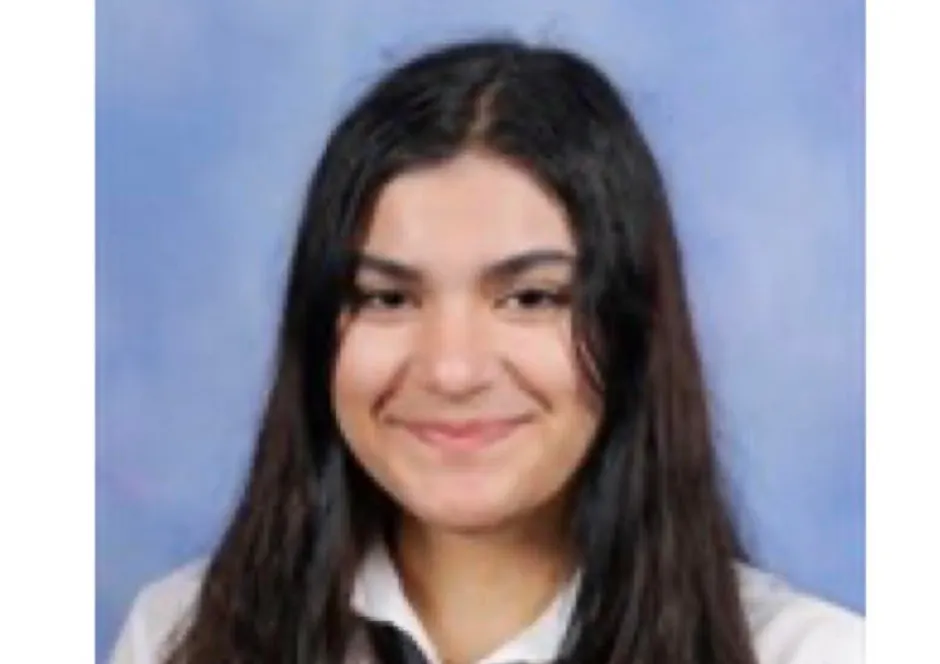
I do not claim to represent all teenage immigrants. That is too great for me. I'm simply Novina, a Persian teenager who emigrated with her family from Iran to Australia at the age of 13.
When I moved here, I was suspended between the world of children and adults, stuck in adolescence, in itself a period hard to navigate. Adapting to a new country oceans away from my home was not something I had imagined for 2023. I used to dream of freedom, but not of leaving everything behind; not of packing my whole life into a 25 kg case and venturing into the unknown.
I often recall the day we received our Visa approvals. It was humorous at the time. I lifted my head from beneath the blanket to hear what my parents were whispering about and why my sister was screaming with joy. I remember when I glanced at my dad –dressed appropriately for a doctor in a professional suit, with his Dior cologne filling the room – I smirked and told him, "Don't get too happy, they probably made a mistake”.
I think he never forgot the smirk and sarcasm in my tone, because since that day regret has often visited him. In Australia I have watched his strong rigid shoulders bending slowly under the sacrifices, the pressure of not belonging. I have watched him wither under the pain – a silent hero.
I remember that day my mum left for her luxurious dental clinic later than her usual time of 9 am, not knowing that it would be her last days laughing freely.
And my older sister, Neshat, has changed. She has grown up; the struggles of the past three years have made her tough. I'm proud of her. Beneath her perceived strength and serious facade lies a softness that reminds me of the little girl who was once 16 and used to keep her younger sister busy with making faces. She has been hardened by the sleepless nights she has spent with worry and frustration. When I look at her, I understand why my parents made such sacrifices. She deserves it all.
And then, there is me. A teenager who didn't sacrifice much and rather gained. I had to learn English from scratch, and often I call it my dearest nemesis. Yet to this day I wonder if I have the right to claim it as my own. On the surface I did feel accepted by Australian society. I was an ordinary immigrant who would learn English one day, but beneath that facade there were endless nights I spent chasing words, colloquialisms, and culture; to be understood, heard, and to belong.
People often say that it's easy to immigrate as a child, but I think there is a difference between immigrating at a young age, before school, and at 13. At 13 you are old enough to understand your family circumstances and take some responsibility. You see and feel the weight of the sacrifices they’ve made, and your understanding comes with a desire to succeed and repay their sacrifices, which strips away some of the very freedom you once dreamed of.
And yes, I do speak English fluently. I write poems, stories, and now this article. I have found my community where I feel a sense of belonging and I can pursue my dreams and achieve. But my family’s journey unfolds differently. They carry the weight of their past and need to learn to let it go, to leave their former identities behind and reconcile their present while stepping toward an uncertain and unknown future. And here is where my destiny diverges from theirs. We may share the same mother tongue, but we speak different life stories.
I know that as time passes they will eventually find their place in Australia. I know Australia will offer them a warm embrace and stitch the fragments of their identity into a new identity. But that doesn't make change any less difficult.